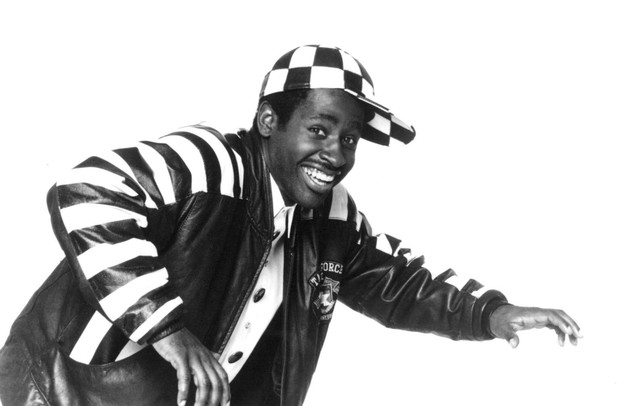
Pato Banton
Charts
Tracks
Playlists
SEO
Press Mentions
Overview
Included in high risk playlists
Monthly Listeners
Discography
Genres
Spotify has not assigned genres to this artist yet
Top Audiences
Top Listener Locations
 Mexico City, MX90,934
 Bogotá, CO48,995
 San José, CR32,927
 Guatemala City, GT26,548
 Lima, PE23,135
Playlist Summary
Playlist Movement
No activity found
This artist's playlist additions and removals will appear here.
Biography & Metadata
Birmingham, England reggae singer/toaster Pato Banton (born Patrick Murray) made his debut on the English Beat's third album, 1982's Special Beat Service, helping out Ranking Roger on the track "Pato and Roger a Go Talk." Five years later, Banton returned with his debut solo release, Never Give In, which featured backing by Birmingham's Studio Two house band and a guest appearance by Paul Shaffer; the album was enlivened by Banton's comic vocal characterizations. An EP featuring several versions of the Never Give In track "Pato and Roger Come Again" (another duet with Ranking Roger) appeared in 1988, followed the next year by the full-length Visions of the World, which found Banton moving towards a poppier soul/reggae approach. 1990's Wize Up! (No Compromize) contained Banton's first American college radio hit, a cover of the Police's "Spirits in the Material World," as well as a duet with Steel Pulse's David Hinds on the title track. After a dub collaboration with the Mad Professor (Mad Professor Recaptures Pato Banton) and a live album (Live and Kickin' All Over America), Banton recorded Universal Love in 1992. It took him a while to come up with brand new material afterwards; he finally resurfaced in 1994 with a version of Eddy Grant's "Baby Come Back" performed with Robin and Ali Campbell of UB40, which hit the British charts and prompted the best-of Collections. Banton finally delivered a full album of new material in 1996 with Stay Positive. Life Is a Miracle followed in the spring of 2000. ~ Steve Huey, Rovi
First discovered Aug 23, 2026, 5:59 PM