Ilê Aiyê
Charts
Tracks
Playlists
Press Mentions
Google Rankings
Overview
Not included in any known risky playlists
Monthly Listeners
Series
- Monthly Listeners
- Listeners from Playlists
- Change
Discography
Top Audiences
Top Listener Locations
 Salvador, BR11,497São Paulo, BR6,793Rio de Janeiro, BR4,088Recife, BR1,765Brasília, BR1,750
Playlist Summary
Playlist Movement
Biography & Metadata
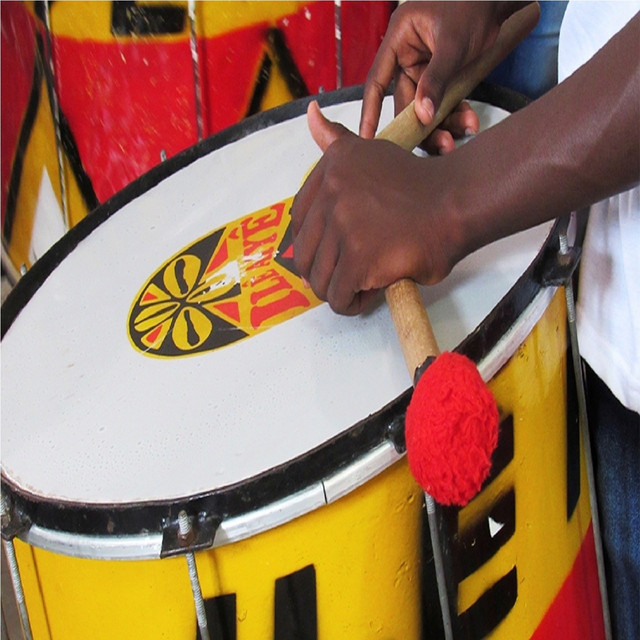
The pioneering Afro-Bloco Ilê Ayiê was organized in 1974. It was Ilê Aiyê who inspired the formation of other Afro-Blocos like Olodum, Muzenza, Ara Ketu, and Malê Debalê, and their creation was fundamental for the advent of the samba/reggae genre. Ilê Aiyê was brought to life by a group of dwellers of the Liberdade borough in Salvador who were interested in heightening Negro self-esteem through a new kind of Carnival association. Their music consisted of a blend of the traditional samba duro with the ijexá beat of candoblé, a ritual to which most participants are linked. Their racial pride implicates that Ilê Aiyê is an entirely black Bloco in which the participation of whites is forbidden. Their first name was Poder Negro (Black Power), but it brought problems with the police. Ilê Aiyê means Negro Shelter. The outfits are based on their research on Africa. Their colors symbolize their blood shed in slavery (red), their power (yellow), their skin color (black), and peace (white). The Bloco follows Rastafarian culture and philosophy and develops an active social work. In their headquarters are schools frequented by 4,000 poor children of the community, and also trade schools. ~ Alvaro Neder, Rovi
First discovered Nov 3, 2026, 12:56 PM