Dulce Quental
Charts
Tracks
Playlists
SEO
Press Mentions
Overview
Not included in any known risky playlists
Monthly Listeners
Discography
Genres
Spotify has not assigned genres to this artist yet
Top Audiences
Top Listener Locations
 São Paulo, BR4,205Rio de Janeiro, BR2,569Belo Horizonte, BR1,379Brasília, BR921Salvador, BR861
Playlist Summary
Playlist Movement
No activity found
This artist's playlist additions and removals will appear here.
Biography & Metadata
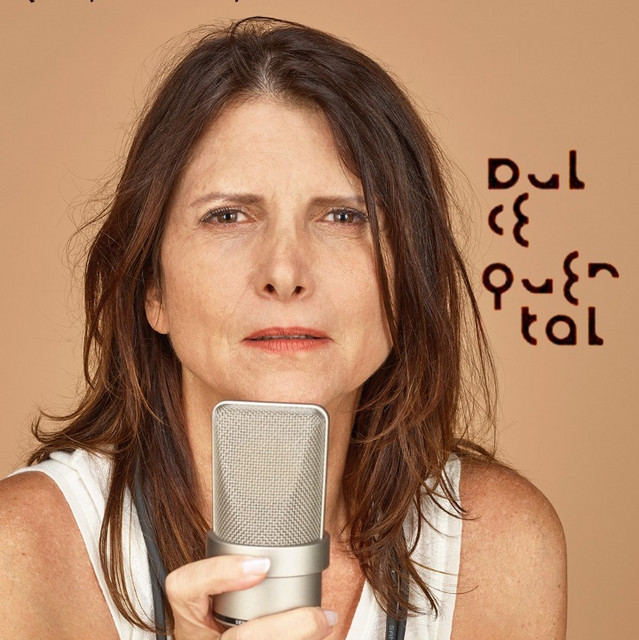
Dulce Quental is a Brazilian singer and songwriter who emerged in the 80s, influenced by Brazilian rock and bossa nova. She gained prominence in 1984 with the song "Eu sou free" by the group Sempre Livre, during the BRock movement. In 1985, she began her solo career with the album "Délica," where she mixed rock, pop, jazz, and bossa nova, collaborating with musicians and artists such as João Donato and Titãs. Her musical journey includes albums like "Voz Azul" (1986) and "Dulce Quental" (1988), and partnerships with artists such as Herbert Vianna, Itamar Assumpção, Arrigo Barnabé, Cazuza, and Frejat. In the 90s, she stood out as a lyricist, composing hits like "O Poeta Está Vivo." After a break, Dulce returned with "Beleza Roubada" (2004) and continued to release original works, including "Música e Maresia" (2016) and the recent "Sob o Signo do Amor" (Cafezinho). Anchored in a base of moving timbres and textures, the album is provided by the cream of the crop of avant-garde Carioca instrumentalists, led by the multi-instrumentalist brothers Pedro Sá (bass, guitars) and Jonas Sá (keyboards, programming, synthesizers), who are also producers and arrangers, along with Dulce. DQ has a multidisciplinary artistic journey, exploring various musical styles.
First discovered Aug 24, 2026, 6:14 AM