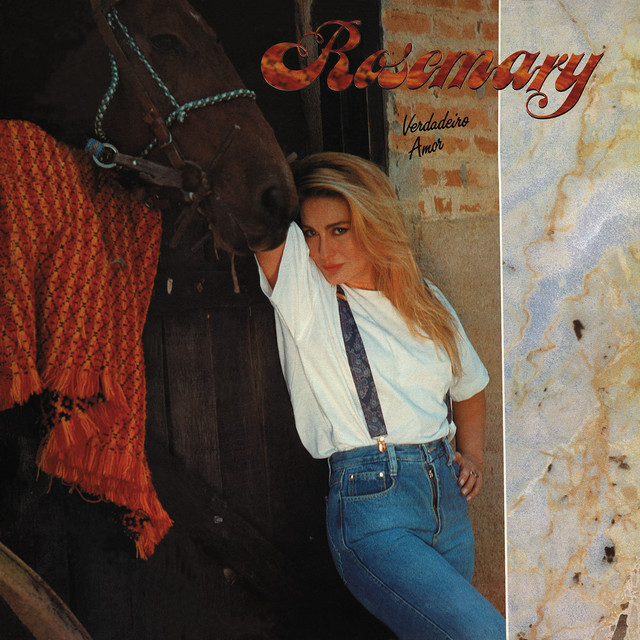
Rosemary
Charts
Tracks
Playlists
Press Mentions
Google Rankings
Overview
Not included in any known risky playlists
Monthly Listeners
Discography
Genres
Spotify has not assigned genres to this artist yet
Top Audiences
Top Listener Locations
 São Paulo, BR4,305Itabuna, BR3,651Brasília, BR1,945Fortaleza, BR1,098Belo Horizonte, BR1,083
Playlist Summary
Playlist Movement
Event | Playlist | Botted? | Position | Track | Happened at | |
|---|---|---|---|---|---|---|
Biography & Metadata
Rosemary recorded for the first time at 15 years old in 1960 with the bolero "Fala Coração" and the samba "Também Sou Mulher," accompanied by an orchestra conducted by Guerra Peixe. Two years later, she and Wanderlea (her rival during Jovem Guarda), the first singer to succeed the first big Brazilian rock & roll star Celly Campelo, were launched with "Dança dos Brotos." Preceding Wanderlea in the phonographic market, Rosemary was not chosen to be the feminine figure of the leading artists of Jovem Guarda (Roberto Carlos, Erasmo Carlos, and Wanderlea) due to her less-defiant profile. Until she reached success, she emulated Rita Pavone's singing and dancing, but in 1966, she was famous enough to be invited to co-star in the film Abraça-me Forte with Wanderley Cardoso, even though the film never happened. In the same year, she appeared in Renato Aragão's first film, Na Onda do Iê-iê-iê. Appearing regularly on TV shows of the Jovem Guarda (like the Novos Nove Show at the TV Excelsior), she was nicknamed "the blonde goddess of iê-iê-iê" by Chacrinha (an extravagant TV show host held in the tropicalia genre as its biggest icon) in a ceremony realized on his show. Having participated in the opening of the Jovem Guarda show, the earliest phase of her career was devoted to Jovem Guarda and youth music in general, but in the 1970s, Rosemary became an MPB singer, also recording romantic music. She started to record MPB in 1966 at the peak of Jovem Guarda, with "Uma Tarde no Circo" (Rildo Hora). Rosemary was one of the people responsible for the inauguration of the Carmen Miranda museum in the '70s, representing the singer in musicals abroad and having performed for President Jimmy Carter at the White House. In the '80s, he recorded several singles written especially for her by Erasmo Carlos/Roberto Carlos, and in the '90s she turned herself to the pop-sertanejo style. ~ Alvaro Neder, Rovi
First discovered Oct 13, 2026, 9:02 PM