Lew Brown
Charts
Tracks
Playlists
SEO
Press Mentions
Overview
Not included in any known risky playlists
Monthly Listeners
Discography
Genres
Spotify has not assigned genres to this artist yet
Top Audiences
Top Listener Locations
 Los Angeles, US23New York City, US23Chicago, US12
 London, GB12
 Sydney, AU10
Playlist Summary
Playlist Movement
No activity found
This artist's playlist additions and removals will appear here.
Biography & Metadata
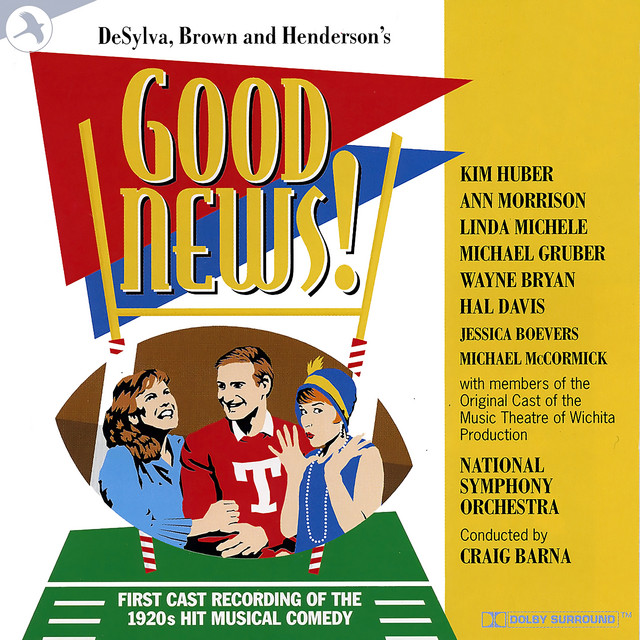
Pop and show tunes lyricist Lew Brown is best known for his work in the songwriting team Henderson-De Sylva-Brown, who captured the Roaring '20s spirit and were without equal from 1926 through 1930. Born on December 10, 1893, in Russia, Brown came to the U.S. with his parents when he was five years old. He started writing lyrics and song parodies while in his teens, and his first hit came in 1912 with "I'm the Lonesomest Gal in Town," a song written with veteran composer Albert Von Tilzer. Brown had other hits that year, including "Kentucky Sue," but no standout songs for a few years, until 1916's "If You Were the Only Girl." Brown continued to collaborate with Tilzer, among others, and had several more hits such as "Dapper Dan" (1921), before teaming up with composer and pianist Ray Henderson in 1922. Three years later, lyricist Buddy De Sylva joined them and the trio successfully established themselves with their second Broadway score, George White's Scandals of 1926. They then scored the 1927 stage productions Good News and Manhattan Mary, followed the next year by Hold Everything, more George White's Scandals in the late '20s, and Flying High in 1930. Off the stage, the songwriting trio had several hit songs, in addition to their movie credits for songs in early Al Jolson films (including Sonny Boy and It All Depends on You) and the popular 1929 filmSunny Side Up, which they went to Hollywood to score. After De Sylva left in 1931, Lew Brown and Ray Henderson continued scoring Broadway shows, and Brown worked with other composers, too, including Sammy Fain. A movie based on Henderson-De Sylva-Brown entitled Best Things in Life Are Free came out in 1956. ~ Joslyn Layne, Rovi
First discovered Aug 26, 2026, 10:21 AM