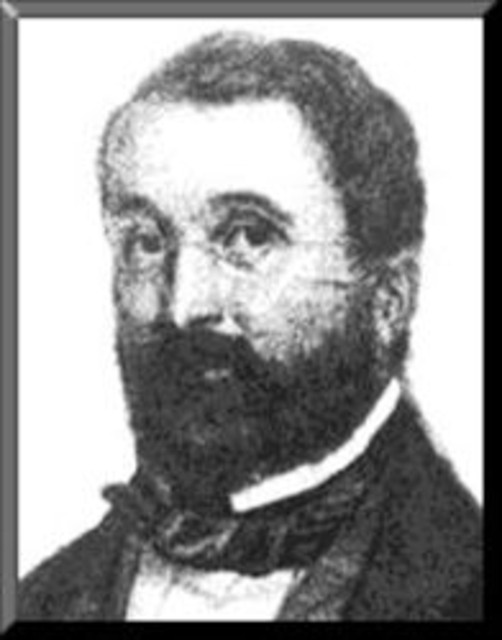
Adolphe Adam
Charts
Tracks
Playlists
Press Mentions
Google Rankings
Overview
Not included in any known risky playlists
Monthly Listeners
Discography
Top Audiences
Top Listener Locations
 London, GB3,951
 Mexico City, MX2,905
 São Paulo, BR2,270
 New York City, US2,145
 Sydney, AU2,063
Playlist Summary
Playlist Movement
Event | Playlist | Botted? | Position | Track | Happened at | |
|---|---|---|---|---|---|---|
Biography & Metadata
Best known today for his ballet Giselle and for the Christmas carol Cantique de Noël, Adolphe Adam, born in 1803, was a prolific composer of ballets, vaudeville, incidental music, and comic opera, and one of the most popular of his day. His father was a pianist and teacher, but was firmly set against the idea of his son following in his footsteps. Adam was determined, however, and studied and composed secretly under the tutelage of his older friend Ferdinand Hérold, a popular composer of the day. When Adam was 17, his father relented, and he was permitted to study at the Paris Conservatoire -- but only after he promised that he would learn music only as an amusement, not as a career. He came to the notice of Boieldieu, who became his mentor and encouraged him to write for the theater. His first opera, Le mal du pays, was premiered at the Gymnase-Dramatique (where he played in the orchestra), and was followed in 1829 by Pierre et Cathérine, at the Opéra-Comique. Paired with Auber's La fiancée, it was a great success. In 1830, Adam left Paris for London, escaping political turmoil; in England, he wrote mostly ballet music. (His brother-in-law was the manager of the King's Theater.) Though he returned to France in 1832, his work remained popular across the Channel, and he premiered his Faust in London in 1833. The comic opera Le Chalet, in 1834, was the greatest success of his career: popular in France throughout the nineteenth century, it was later forgotten. Le Postillon de Lonjumeau (1836) and Giselle (1841) were also successful, but his attempt at grand opera, Richard en Palestine (1844), was given only polite attention. By 1847, Adam was wealthy and influential enough to open his own opera house, the Opéra-National. However, during the political turmoil of 1848 ("the year of revolutions"), he had to close down -- only four months after its opening, losing not only his own investments but the capital he had borrowed. While greatly burdened by these debts, he was still popular enough that his old royalties and new compositions, including Le Toréador (1849) and Si j'étais roi (1852) enabled him to pay the debt off steadily while he supported himself with musical journalism. In 1849, Adam also became a composition professor at the Conservatoire, and by 1852, his debts were paid off. He died in 1856. Adam's music is characterized by a Gallic charm, whether filtered through the wistful lyricism of Giselle or the worldly wit of Le Postillon de Lonjumeau (in which he satirized the world of opera). Often accused of superficiality, he admittedly had no great desire to produce innovative, deeply felt, or especially sophisticated works, and focused his energies on giving his audiences the tuneful, graceful music and vivid theatrical entertainment that they wanted.
First discovered Aug 12, 2026, 10:07 PM