GNR
Charts
Tracks
Playlists
Press Mentions
Google Rankings
Overview
Included in high risk playlists
Monthly Listeners
Discography
Genres
Spotify has not assigned genres to this artist yet
Top Audiences
Top Listener Locations
 Lisbon, PT51,752Porto, PT36,385Coimbra, PT11,110Leiria, PT4,651Braga, PT3,117
Playlist Summary
Playlist Movement
Event | Playlist | Botted? | Position | Track | Happened at | |
|---|---|---|---|---|---|---|
Biography & Metadata
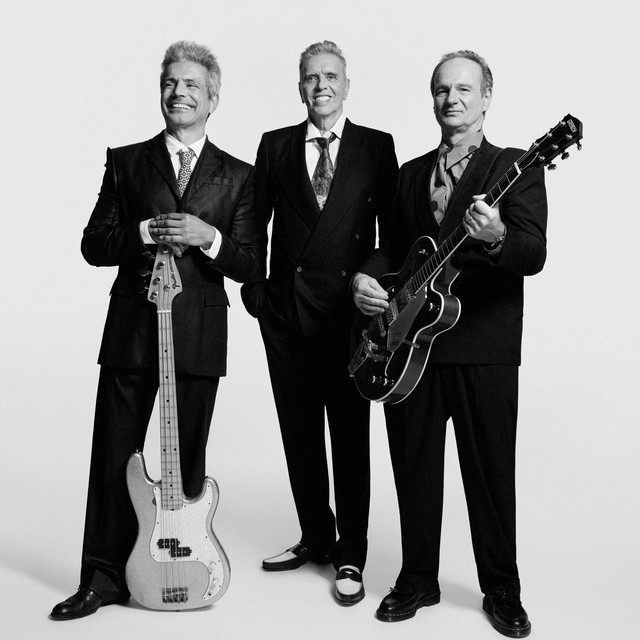
Pioneering the Portuguese rock scene in the beginning of the '80s and choosing to maintain a route towards the leanest sounds of pop/rock, GNR slowly became one of the senior musical references in this small European country. Their deliverance of uncommonly poetic lyrics, supported by eccentric pop rhythms, ended up bringing them an ever-growing fan base. It all began in 1979, when guitarist Alexandre Soares, bassist Vítor Rua, and drummer Toli César Machado made their first rehearsals in Oporto. One year after forming, the band recorded their first single, which turned out to be a true song icon in Portugal, "Portugal na CEE" ("Portugal on the EEC"). The single distinguished the band through its political message, and at the same time provided new gateways to the newborn Portuguese rock. In 1981 vocalist Rui Reininho joined the team, and a year later, Independança, the band's first album, hit record stores, having poor results. Following a series of conflicts, Rua left the band and attempted to get a hold on its name for several years, trying also to bring about its end. In that same year, Jorge Romão became GNR's bass player. Defeitos Especiais showed up in 1984 as their second full-length record, again having a modest performance on the charts. A year later, next to an enthusiastic live concert in Spain, Os Homens Não se Querem Bonitos came out as their third album. The record was a success, mostly due to the single "Dunas." The road to fame seemed to be the trail for the Portuguese squad, and in 1986, Psicopátria had a huge success, managing to give away yet another anthem, the single "Efectivamente." Soares left the group in 1987, being substituted at the time by Zeze Garcia, performing on GNR's first American shows to the Portuguese community in New Jersey. GNR -- In Vivo, released in 1990, was the band's first live record, capturing the thrilling appearances at Lisbon's Coliseu dos Recreios almost a year before. Rock in Rio Douro, released in 1992, turned out to be their major breakthrough, staying on top of Portuguese national charts for more than nine months. It was in that same year that the Oporto crew managed to be one of the only Portuguese groups to sell out a stadium, when more than 40,000 attended their concert in Lisbon's Estádio de Alvalade. Two years later, Sob Escuta maintained the group's reference, as well as 1998's Mosquito and 2000's Popless. ~ Mario Mesquita Borges, Rovi
First discovered Aug 21, 2026, 8:52 PM