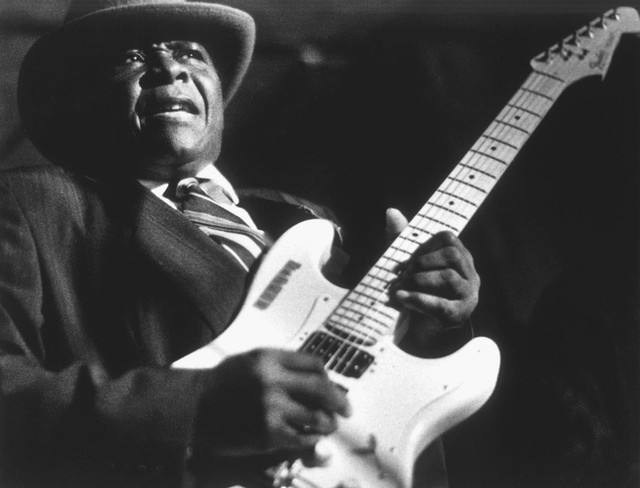
Byther Smith
Charts
Tracks
Playlists
Press Mentions
Google Rankings
Overview
Not included in any known risky playlists
Monthly Listeners
Discography
Top Audiences
Top Listener Locations
 São Paulo, BR925
 Mexico City, MX521
 Santiago, CL403
 Melbourne, AU394Sydney, AU382
Playlist Summary
Playlist Movement
Event | Playlist | Botted? | Position | Track | Happened at | |
|---|---|---|---|---|---|---|
Biography & Metadata
Strictly judging from the lyrical sentiment of his recordings, it might be wise not to make Chicago guitarist Byther Smith angry. Smitty's uncompromising songs are filled with threats of violence and ominous menace (the way blues used to be before the age of political correctness), sometimes to the point where his words don't even rhyme. They don't have to, either -- you're transfixed by the sheer intensity of his music. Smitty came to Chicago during the mid-'50s after spending time toiling on an Arizona cattle ranch. He picked up guitar tips from J.B. Lenoir (his first cousin), Robert Jr. Lockwood, and Hubert Sumlin, then began playing in the clubs during the early '60s. Theresa's Lounge was his main haunt for five years as he backed Junior Wells; he also played with the likes of Big Mama Thornton, George "Harmonica" Smith, and Otis Rush. A couple of acclaimed singles for C.J. (the two-part "Give Me My White Robe") and BeBe ("Money Tree"/"So Unhappy") spread his name among aficionados, as did a 1983 album for Grits, Tell Me How You Like It. The rest of the country then began to appreciate Smitty, thanks to a pair of extremely solid albums on Bullseye Blues: 1991's Housefire (first out on Grits back in 1985) and I'm a Mad Man two years later. With two sets on Delmark and a stepped-up touring itinerary, Smitty really hit his stride. He continued with strong performances and recordings during the new millennium, issuing two albums on Black & Tan, 2001’s Smitty’s Blues and 2004’s Throw Away the Book; returning to Delmark for 2008’s Blues on the Moon: Live at the Natural Rhythm Social Club; and issuing Got No Place to Go on Fedora, also in 2008. ~ Bill Dahl, Rovi
First discovered Oct 14, 2026, 12:33 AM