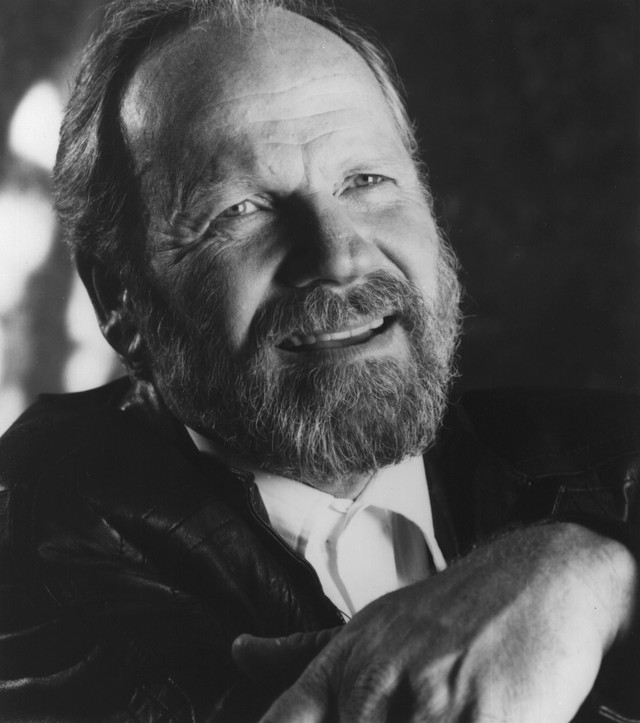
Barry McGuire
Charts
Tracks
Playlists
Press Mentions
Google Rankings
Overview
Not included in any known risky playlists
Monthly Listeners
Series
- Monthly Listeners
- Listeners from Playlists
- Change
Discography
Genres
Spotify has not assigned genres to this artist yet
Top Audiences
Top Listener Locations
 Melbourne, AU4,172Sydney, AU4,125Brisbane, AU3,545
 London, GB2,987
 Berlin, DE2,912
Playlist Summary
Playlist Movement
Biography & Metadata
Along with Bob Dylan's emergence came countless other folk-based "protest singers" in the early to mid-'60s, including Barry McGuire. Born in Oklahoma City during 1935, McGuire had relocated to New York City and joined up with folk revivalists the New Christy Minstrels by the early '60s. He was anointed the band's lead singer and appeared on several albums and their first hit single, "Green, Green" (which was co-penned by McGuire). Soon after, however, McGuire caught the attention of both record producer Lou Adler and singer/songwriter P.F. Sloan, resulting in the guitarist/singer leaving the New Christy Minstrels and launching a solo career, signing on with Adler's Dunhill Records. McGuire's solo debut, The Barry McGuire Album, was released in 1963, but it wasn't until two years later that McGuire scored a massive hit with the Sloan-penned track "Eve of Destruction," which topped the U.S. charts (peaking at number three in the U.K.) and was taken from his sophomore full-length, Barry McGuire Featuring Eve of Destruction. McGuire became good friends with another Adler-guided outfit, the Mamas & the Papas (who mentioned him in some of their song lyrics), while further solo albums were issued, including This Precious Time and The World's Last Private Citizen, but none spawned any singles as successful as "Eve." By the early '70s, McGuire had turned his back on folk music and he re-appeared as a Christian/gospel artist, signing on with the Myrrh label and issuing such standout albums as 1973's Seeds, 1975's Lighten Up, and a live recording, 1982's To the Bride, among countless others. McGuire put his music career on hold and moved to New Zealand in the mid-'80s with his wife, where they remained until 1990, working with the poverty organization World Vision. Upon his return, McGuire began issuing albums once more, including such titles as El Dorado, Let's Tend God's Earth, Adventures on Son Mountain, and Journey to Bible Times, before teaming up with another gospel singer/guitarist, Terry Talbot, to form an outfit called Talbot McGuire. ~ Greg Prato, Rovi
First discovered Sep 29, 2026, 7:32 AM