Al Bowlly
Charts
Tracks
Playlists
Press Mentions
Google Rankings
Overview
Included in high risk playlists
Monthly Listeners
Series
- Monthly Listeners
- Listeners from Playlists
- Change
Discography
Top Audiences
Top Listener Locations
 Los Angeles, US7,544
 London, GB7,081
 Mexico City, MX6,449Chicago, US5,390New York City, US5,215
Playlist Summary
Playlist Movement
Event | Playlist | Botted? | Position | Track | Happened at | |
|---|---|---|---|---|---|---|
Biography & Metadata
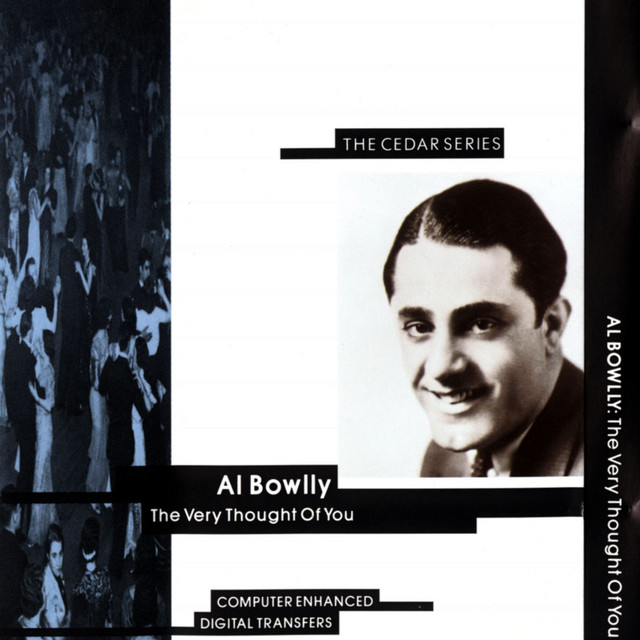
The most popular vocalist in Britain during the 1930s, Al Bowlly showcased a range of material unsurpassed by any contemporary other than Bing Crosby. He was also a true international recording artist: born in Mozambique to Greek and Lebanese parents, he was raised in Johannesburg, but gained his musical experience singing for a dance band led by Jimmy Liquime in India and Singapore during the mid-'20s. Just one year after his 1927 debut recording date in Berlin, Bowlly arrived in London for the first time, as part of Fred Elizalde's orchestra. That year, "If I Had You" became one of the first popular songs by an English jazz band to become renowned in America as well, and Bowlly had gone out on his own by the dawn of the '30s. During the next three years, he recorded over 500 songs and appeared with orchestras led by Ray Noble and Lew Stone. A visit to New York in 1934 with Noble resulted in more success; he appeared at the head of an orchestra handpicked for him and Noble by Glenn Miller (the band included Claude Thornhill, Charlie Spivak, and Bud Freeman, among others). During the mid-'30s, such songs as "Blue Moon," "Easy to Love," "I've Got You Under My Skin," and "My Melancholy Baby" were sizable American successes -- so much so that Bowlly gained his own radio series on NBC and traveled to Hollywood to film The Big Broadcast of 1936, which also starred one of his biggest competitors, Bing Crosby. He was back in England that same year, appearing with his own band, the Radio City Rhythm Makers, as well as the orchestras of Sydney Lipton, Geraldo and Ken Johnson. Partnered with Jimmy Messini, Bowlly also branched out onto the London stage during the early '40s with an act called Radio Stars with Two Guitars. It was his last venture before his death in 1941, the victim of a German bomb exploded outside his apartment. Fifty years after his death, a British musical named Melancholy Baby toured the country with much success. ~ John Bush, Rovi
First discovered May 27, 2026, 10:55 AM