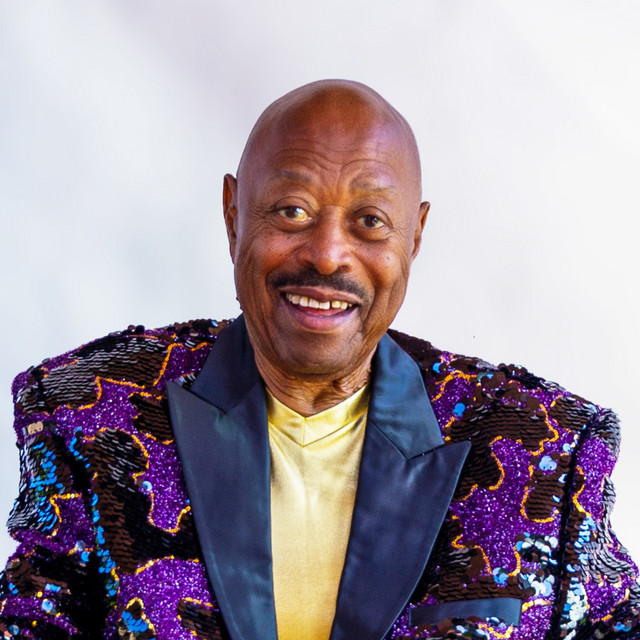
Charles Wright
Charts
Tracks
Playlists
Press Mentions
Google Rankings
Overview
Not included in any known risky playlists
Monthly Listeners
Series
- Monthly Listeners
- Listeners from Playlists
- Change
Discography
Genres
Spotify has not assigned genres to this artist yet
Top Audiences
Top Listener Locations
 São Paulo, BR199
 London, GB167
 Sydney, AU113
 Berlin, DE107Melbourne, AU101
Playlist Summary
Playlist Movement
Event | Playlist | Botted? | Position | Track | Happened at | |
|---|---|---|---|---|---|---|
Biography & Metadata
Charles Wright headed one of the great funk groups of the late '60s and early '70s, the Watts 103rd Street Rhythm Band. Wright, who was born in Clarksdale, MS, was a singer, pianist, guitarist, and leader of the eight-member band, which had been recruited from Watts in Los Angeles. They were originally known as the Soul Runners. Bill Cosby helped get the band off the ground by giving them appearances at his gigs. They began recording for Keyman in 1967, then moved to Warner Bros. in 1969. While "Do Your Thing" and "Till You Get Enough" were Top 20 R&B hits, their finest selection was "Express Yourself," a song that expressed the urge for freedom as adroitly as the Isley Brothers' "It's Your Thing" had in the '60s. It has also been among the most sampled funk tracks for hip-hop and rap groups. "Your Love (Means Everything to Me)" was their final R&B hit in 1971, peaking at number nine R&B and number 12 pop. The group's best ballad, "Love Land," did better among pop fans than R&B ones, many of whom saw it as a bit soft. They continued recording for Dunhill in 1973 before disbanding. Drummer James Gadson and guitarist Al McKay, who later joined Earth, Wind & Fire, were among the instrumental corps of the Watts 103rd Street Rhythm Band. ~ Ron Wynn, Rovi
First discovered Sep 7, 2024, 4:17 AM