Ed Askew
Charts
Tracks
Playlists
Press Mentions
Google Rankings
Overview
Not included in any known risky playlists
Monthly Listeners
Discography
Genres
Spotify has not assigned genres to this artist yet
Top Audiences
Top Listener Locations
 London, GB529
 Brooklyn, US292
 Melbourne, AU289New York City, US286
 Berlin, DE253
Playlist Summary
Playlist Movement
Event | Playlist | Botted? | Position | Track | Happened at | |
|---|---|---|---|---|---|---|
Biography & Metadata
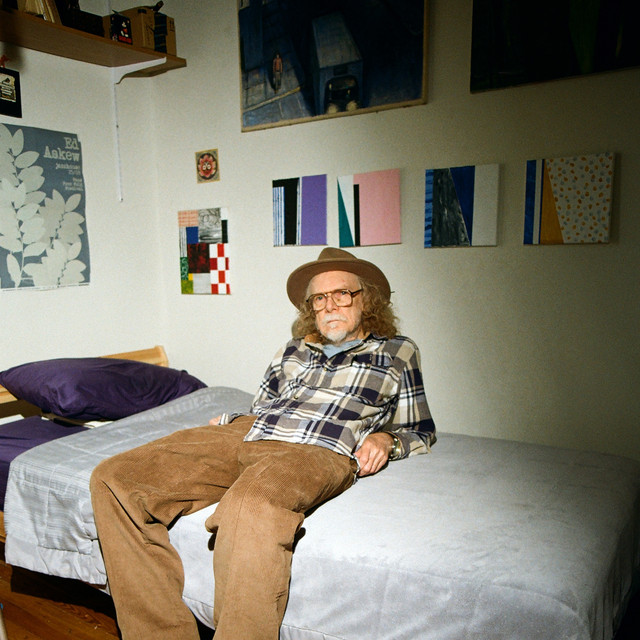
Ed Askew was an American outsider artist who made songs that were raw, mysterious, and as full of joy as often as they were emotionally crushing. After finishing art school in the late ‘60s, Askew got his start in music as part of New York’s East Village coffee shop folk scene. He released a self-titled album (sometimes also known as Ask the Unicorn) that was among the earlier documents of acid folk with the mostly free jazz label ESP-Disk’ in 1968, but he wouldn’t widely share more music until more than 30 years later with the 2002 release of Little Eyes, a long-shelved album originally recorded in 1970. From there, Askew’s second act began, and he regularly released new material while artists like Steve Gunn, Sharon Van Etten, and Bill Callahan all went from champions of his work to collaborating with him on his 2010’s output and beyond. By the time of his death in 2025, Askew had released dozens of albums, and Drag City posthumously released the record he had finished just before passing, The Final Painting, in July of 2026. Askew was born in Connecticut in 1940 and studied painting at Yale School of Art in the early ‘60s. He moved to New York City briefly after finishing school, falling in with the folksinger crowd there as he wrote and recorded his first songs. He mostly lived in Connecticut where he worked as a teacher at a prep school, but occasionally traveled back to New York for music-related activities. In 1968, avant-garde label ESP-Disk released Askew’s self-titled debut album, and a follow-up was recorded soon thereafter but not immediately released. Askew kept a low profile musically for the next many years, living and working in Connecticut and performing occasionally around the East Coast. He continued writing new songs and recording, however, and released smaller-scale efforts in the late ‘90s on cassette and CD-R. In 2002, the De Stijl label finally gave a proper release to the long languishing 1970 recordings intended to be the follow-up to his debut. The album, Little Eyes, helped bring Askew’s music to a wider audience, with artists like Steve Gunn, Trembling Bells, Sharon Van Etten, and others all becoming vocal supporters and fans. In 2011, Drag City released Imperfiction, a collection of songs originally released on cassette in the early ‘80s. New music started coming to the surface in this time as well, as Askew expanded on the primarily home recorded and self-released material he’d been creating through the ‘90s and 2000s by entering the studio in 2011 to track his next album For the World. The album was released in 2013 by Tin Angel Records and included contributions from Van Etten on guest vocals, guitarist Marc Ribot, harpist Mary Lattimore, and others. Releases of both archival material (2014’s Rainbow Bridge, originally released in 1999, 2017’s A Child in the Sun, a collection of radio sessions from 1969 and 1970), and new songs (2017 Art & Life, 2021’s Sleeping with Angels) appeared as a new generation of listeners and artists tuned in to Askew’s songwriting. He also remained true to his home recording roots as his life went on, frequently recording new songs in his New York apartment and posting them online, particularly as his health declined and touring became more difficult. Askew died on January 4, 2025 at the age of 84. The following year, Drag City released the album he’d been readying at the time of his death, The Final Painting. The Final Painting was produced with Askew’s frequent collaborator Jerry David DeCicca, and included appearances from William Tyler, Van Etten, Eve Searls, members of Ryan Davis’ Roadhouse Band, and others. ~ Fred Thomas, Rovi
First discovered Aug 31, 2026, 1:18 PM