Giorgio Mainerio
Charts
Tracks
Playlists
Press Mentions
Google Rankings
Overview
Not included in any known risky playlists
Monthly Listeners
Series
- Monthly Listeners
- Listeners from Playlists
- Change
Discography
Genres
Spotify has not assigned genres to this artist yet
Top Audiences
Top Listener Locations
 Madrid, ES117
 London, GB103
 Berlin, DE77Barcelona, ES66
 Mexico City, MX51
Playlist Summary
Playlist Movement
Event | Playlist | Botted? | Position | Track | Happened at | |
|---|---|---|---|---|---|---|
Biography & Metadata
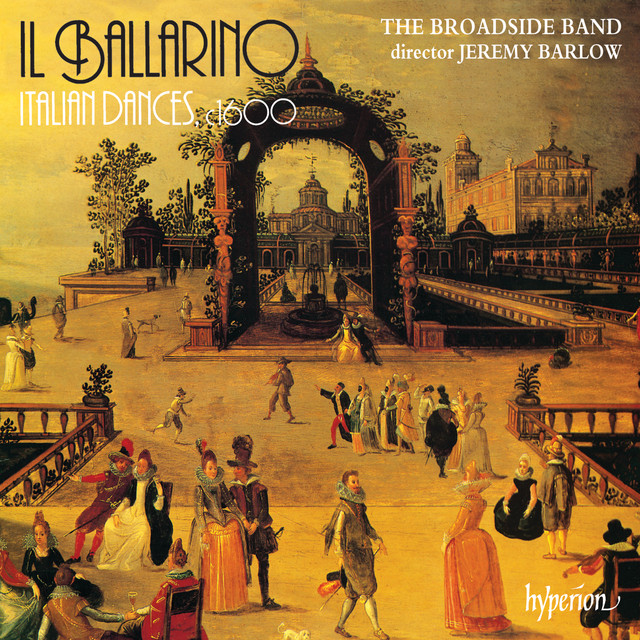
Though the best-documented musicians of the European Renaissance sang and composed music for the great Catholic chapels and cathedrals, it was also eminently possible for a musician to make a living as an instrumentalist -- or to do both. It seems that north Italian musician Giorgio Mainerio may have done both. Mainerio is known to have been a priest of the Catholic church and to have pursued a successful career as a church musician. He was a capellano, or chaplain by 1560, and attained lucrative benefice income in the Cathedral of Udine (near Venice) in 1565. Already in 1560, the Cathedral authorities could praise his knowledge of the "art and science of singing." In 1570, Mainerio took a somewhat higher-paying job as a beneficed priest for the Cathedral of Aquileia; he taught singing to the boys there, and in 1576 he was promoted to lead the chapel choir. He died in that town in spring 1582, having fulfilled a completely respectable trajectory in his church music career. At the same time, Mainerio also wrote music for secular purposes. Whether or not he played any of the various wind instruments with which Italian courts took their leisure for dancing, he wrote music for them, and published a collection that remains central to historians' understanding of Italian dance music. His 1578 Primo libro di balli contains much simple and direct music for courtly entertainment, but also includes the earliest known examples of an instrumental suite, and the first known set of written-out instrumental variations. His instrumental music shows both the influence of local improvisatory traditions and the counterpoint he learned for the church.
First discovered Nov 6, 2026, 2:52 AM