Tubeway Army
Charts
Tracks
Playlists
Press Mentions
Google Rankings
Overview
Included in high risk playlists
Monthly Listeners
Discography
Top Audiences
Top Listener Locations
 London, GB3,635Manchester, GB1,248
 Sydney, AU954Birmingham, GB933Melbourne, AU921
Playlist Summary
Playlist Movement
Event | Playlist | Botted? | Position | Track | Happened at | |
|---|---|---|---|---|---|---|
Biography & Metadata
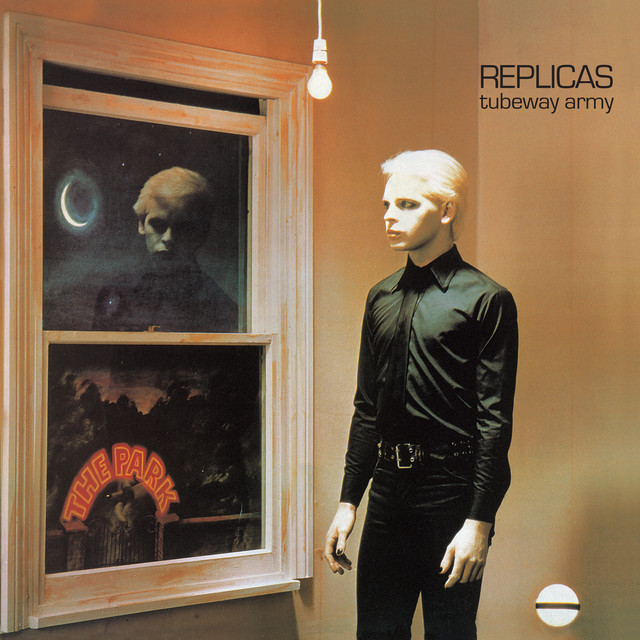
After a couple lineup shuffles, Tubeway Army -- Gary Numan (aka Valeriun), Paul Gardiner (aka Scarlett), and Numan's uncle Jess Lidyard (aka Rael) -- debuted in February of 1978 with "That's Too Bad" on Beggars Banquet, a furious fusion of punk and pop, but darkly cold and clinical. During a studio session a few months later, Numan began fiddling with a mini-Moog synthesizer that remained from another band's recording stint. Instantly falling in love with the instrument's capabilities, he decided that he would use synths to achieve the sounds he heard in his imagination. Though he fought the temptation to associate synths with prog rock, he felt they would help distance the band from the limitations and clichés of punk. Numan and his mates were influenced by Bowie and T. Rex as much as J.G. Ballard and William S. Burroughs (as well as being inspired later on by contemporaries Ultravox and the Human League), so the band's extraction from punk wasn't surprising at all. After releasing their stellar eponymous record later in 1978, Tubeway Army cut a session for BBC's John Peel. Two more singles followed early in 1979, garnering the band further chart success and increased exposure, especially for Numan. The band's second LP, Replicas, was released in June. Since Tubeway Army had increasingly become the sole vision of Numan, this moniker was abandoned, and Replicas was the last release to feature the name. Lidyard, who had pretty much been involved out of necessity, removed himself from the scene, and Gardiner continued for a while with Numan, also lending duties with his live band. "Cars," the first release as Gary Numan (only two months after Replicas), was an instant hit and became one of the songs most synonymous with the '80s. Numan continued on his own, establishing himself as a prolific cult artist (with a rabid following) throughout the next decades, and become one of the most important figures in the history of electronic pop. ~ Andy Kellman, Rovi
First discovered Nov 17, 2025, 3:40 PM