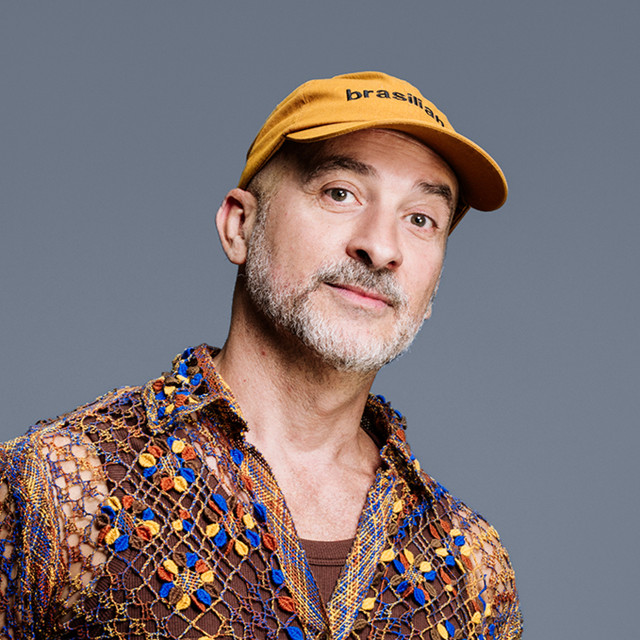
Lucas Santtana
Charts
Tracks
Playlists
Press Mentions
Google Rankings
Overview
Included in high risk playlists
Monthly Listeners
Discography
Genres
Spotify has not assigned genres to this artist yet
Top Audiences
Top Listener Locations
 São Paulo, BR24,320Rio de Janeiro, BR12,520Itabuna, BR12,186Belo Horizonte, BR7,661Salvador, BR6,552
Playlist Summary
Playlist Movement
Event | Playlist | Botted? | Position | Track | Happened at | |
|---|---|---|---|---|---|---|
Biography & Metadata
Brazilian guitarist, flutist, and composer Lucas Santtana is the son of producer Roberto Sant’Ana and nephew of Tom Zé. During the 1990s he participated in sessions for Tropicalia 2, and during the decade worked in studios with Gilberto Gil, Chico Science & Nação Zumbi, Marisa Monte, and Arto Lindsay. Santtana released his debut, Eletro Ben Dodô, in 2000, a danceable fusion of Tropicália, carnival rhythms, and electronica. The grittier Parada De Lucas appeared in 2003. 2011's experimental samba set Sem Nostalgia was followed by 2012's The God Who Devastates Also Cures offering symphonic pop, Afrobeat, and dub. 2019's O Céu É Velho Há Muito Tempo was a soft, mostly acoustic album that interrogated Brazil's political scene. 2023's O Paraíso was a multilingual work melding bossa nova, chamber pop, and subtle electronics. 2026's Brasiliano, performed in eight languages, explored the cultural and historical roots of Brazilian cultural identity. Santtana was born in Salvador, Bahia in Brazil in 1970. Santtana's mother was a dancer, choreographer, and later the director of the Dance School of the Cultural Foundation of the State of Bahia. His father, Roberto, was already a strong name in tropicalismo and the artistic director of Polygram. He produced albums such as Gilberto Gil's Refavela and Caetano Veloso's Many Carnavais, among others. Music came to Santtana naturally and he learned to play flute before picking up the guitar. Given his household, he absorbed more music before he was 20 than most professionals encounter in their lifetimes. Thanks to his dad and uncle, he traveled around the world with the biggest names in Brazilian Tropicalia. The sheer volume of influences, including Afro-Brazilian rhythms, Motown soul and funk, Brazilian metal (à la Sepultura), and European electronica would allow him to conceive of sonic textures no one had yet considered. Strangely, he originally came to prominence as a flutist. The young man from Bahia was introduced in his early twenties after being discovered by Gil and Veloso. After playing on both Gil's resurgent Acoustic and Veloso's controversial Tropicalia 2 in 1993, he was invited to join them on a tour of Europe. In the coming years, his knowledge of non-Brazilian culture expanded incrementally. When he returned, he would work on albums by Daniela Mercury (Musica De Rua) and Chico Science & Nação Zumbia (Afrociberdelia), and spend time in the studio recording other artists' projects, including Arto Lindsay's. He was merely biding his time, however, waiting until he received a turn in the spotlight. At the turn of the century, he released his leader debut Eletro Ben Dodo, inspired by Black street musicians in Bahia. It offered Brazilian Tropicalia tweaked to fit an international pop context. Borrowing songs from the likes of James Brown, Veloso, and Gil, Santtana brewed a sonic amalgam that was both astonishingly varied and pleasingly unified. The album received attention, making Santtana one of the hottest musical properties south of the equator at the time. That year he also played on Marisa Monte's early crazy samba classic Memórias, Crônicas E Declarações De Amor. His sophomore album, 2003's Parada de Lucas, offered his own interpretation of Rio's baile funk, a ghetto sound borne out of Miami Bass music. The record won notice not only in Brazil, but in Western Europe and the U.S., too. 2006's 3 Sessions in a Greenhouse with Seleção Natural followed. It employed various recording and mixing techniques that borrowed from dub, samba, baile funk, Afrobeat, and even rock. In 2011, Santtana released Sem Nostalgia. The first single-artist record to be released by England's Mais Um Discos, it showcased a folktronica masterclass that deconstructed the Brazilian voice and acoustic guitar format (traditionally called voz e violão, he fed bossa and samba vibes through digital samplers, glitchy electronics, and organic soundscapes, creating a futuristic, genre-defying sound celebrating the music, while completely rejecting imitation for its own sake. Sem Nostalgia received laudatory reviews from European and North American critics. The following year, he issued The God Who Cures Also Devastates, his first album to win global notice. Abandoning his voice and guitar approach, Santtana created a cathartic alt-pop triumph by chronicling the breakup of a romantic relationship. He melded lush symphonic arrangements, horns, and global rhythms, balancing heartbreak with inventive, genre-defying musicianship. He also played on Céu's popular futurist samba exercise, Caravana Sereia Bloom, and played in her touring band, which was documented on her 2014 concert set Ao Vivo. That same year he released Sobre Noites E Dias, his debut outing for France's No Format label. It is an inventive, cosmopolitan pop album that blends acoustic instrumentation with electronic beats. It mended the gap between dancefloor tracks and reflective ballads through a polycultural lens. In 2017, after touring the globe, Santtana returned with his seventh album Modo Avaio (Airplane Mode) -- his attempt at an "audio movie." It critiqued hyperconnectivity and postmodern overconsumption with atmospheric vignettes, spoken dialogue, and meticulous audio panning. After touring in support, he returned to the studio and emerged with O Céu É Velho Há Muito Tempo (The Sky Has Been Old for a Long Time) in 2019. Considered Santtana's political album, it offered acoustic minimalism as a production approach as he addressed his country's political turmoil with only his voice and an acoustic guitar. 2023's O Paraiso was recorded in Paris with a French ensemble. It blended traditional bossa nova and samba with modern folktronica, chamber pop, and atmospheric electronic textures and showcased Santtana's soft tenor vocals and warm acoustic guitar playing style amid colorful wind arrangements to articulate the environmental side of his political persona. Globally, critics lauded it as one of his finest works. His tenth album, 2026's Brasiliano, marked his 25th anniversary as a recording artist. His concept on the date was to explore the worlds of Brazilian languages and cultural history. The tunes, sung in eight languages, offered an international cast of collaborators including Gil, María Lado, Karyna Gomes, and Flavia Coelho, among others. The warm, easy grooving music melded traditional Brazilian styles including samba and bossa nova with modern soul, funk, and acoustic instrumentation. ~ Thom Jurek, Rovi
First discovered Sep 11, 2026, 3:35 PM