Trio Mocoto
Charts
Tracks
Playlists
Press Mentions
Google Rankings
Overview
Not included in any known risky playlists
Monthly Listeners
Series
- Monthly Listeners
- Listeners from Playlists
- Change
Discography
Genres
Spotify has not assigned genres to this artist yet
Top Audiences
Top Listener Locations
 São Paulo, BR47,024Rio de Janeiro, BR12,866Belo Horizonte, BR7,127Brasília, BR5,509Campinas, BR5,324
Playlist Summary
Playlist Movement
Biography & Metadata
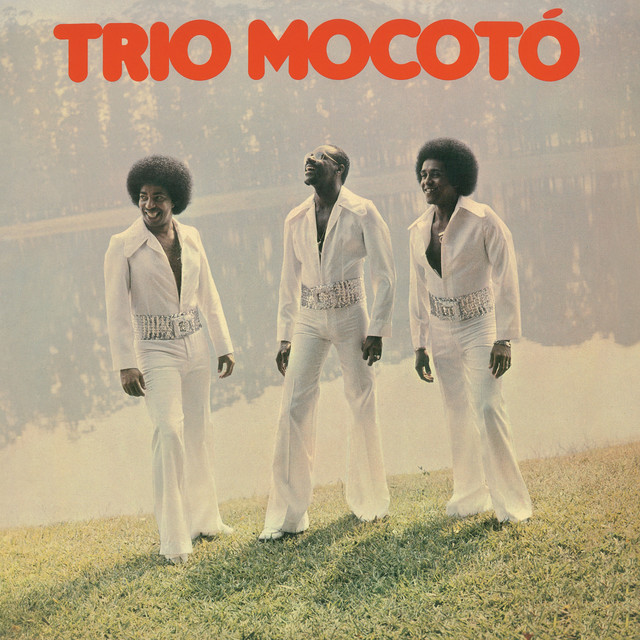
The Trio Mocotó is a group that shaped a style that would be known as samba-rock, resulting in the fusion of the two genres. The trio influenced many artists who were searching for some kind of fusion between Brazilian and American pop music, like Tim Maia and Jorge Ben, whom they backed in recordings and performances both in Brazil and internationally. The trio was formed in 1968 in the Jogral nightclub (São Paulo) by Fritz Escovão, Joãozinho Parahyba, and Nereu Gargalo, who were the regular backing musicians for the featured artists, such as Clementina de Jesus, Nelson Cavaquinho, Cartola, and other performers. The Jogral was one of the most important nightclubs of Brazil in that time, and international artists like Duke Ellington, Oscar Peterson, and Earl Hines also performed there, accompanied by the Trio Mocotó. As Jorge Ben (later Jorge Ben Jor) used to sit in often, the trio became Ben's backup band. The result was the sound that Ben was searching for, a kind of fusion between samba and rock. The trio accompanied Ben in virtually all the tracks on Ben's album Jorge Ben (Philips, 1969). As Ben's supporting band for the performance of "Charles Anjo 45" at the IV Festival Internacional da Canção, the trio had to choose a name, so Mocotó was adopted as a reference to a slang word for ladies' legs. (The polemical and somewhat aggressive song was met with massive booing in the packed Maracanãzinho). "Eu Quero Mocotó," another composition by Ben (dedicated to ladies' legs, not to the trio), was also performed in the same festival by Erlon Chaves and Banda Veneno, with Ben and the trio as guests. During the early '70s, the trio was very busy. They hit the charts with the single "Coqueiro Verde" (Roberto Carlos/Erasmo Carlos) and soon departed to Cannes, France, where they accompanied Ben in his performance at MIDEM (which launched a European tour with the composer/musician). In Japan they all recorded a live album (unreleased at the time in Brazil). Upon their return, they accompanied Ben and Toquinho for the recording of "Que Maravilha" and departed once more for an international tour with Ben. Returning to Brazil, they were invited by Toquinho and Vinícius de Moraes to back them in some recordings as well as accompanying them (together with Marília Medalha) in the Encontro show, touring the country in the college circuit, and then through Mexico. Their first LP came in 1971, Muita Zorra (Philips), followed by two others in 1973 (RGE) and 1975. With advent of the disco craze and the subsequent waning of interest in live music, the group ran out of work and dissolved. In 2000, after 24 years without performing together, they teamed up again to play on the Jô Soares TV show commemorate the group's 30th anniversary. Fritz Escovão died on October 1, 2024, at the age of 81. ~ Alvaro Neder, Rovi
First discovered Aug 18, 2026, 5:19 PM