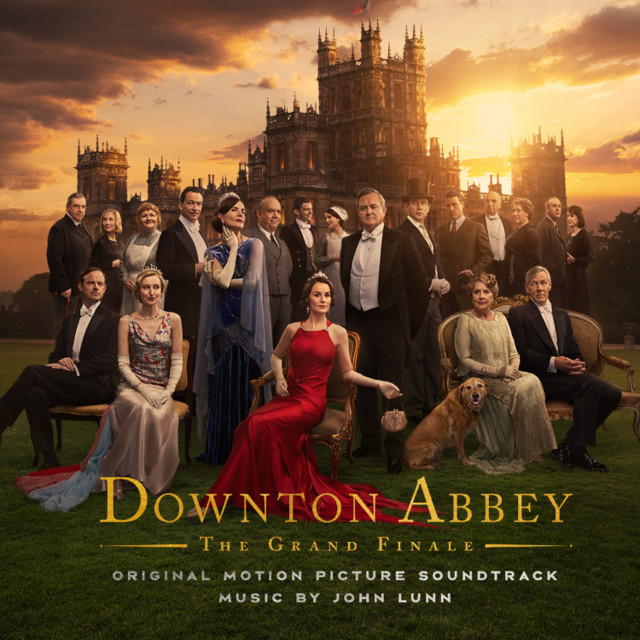
John Lunn
Charts
Tracks
Playlists
SEO
Press Mentions
Overview
Not included in any known risky playlists
Monthly Listeners
Discography
Genres
Spotify has not assigned genres to this artist yet
Top Audiences
Top Listener Locations
 London, GB5,190
 Berlin, DE2,384
 Sydney, AU2,311Melbourne, AU1,981
 Warsaw, PL1,882
Playlist Summary
Playlist Movement
No activity found
This artist's playlist additions and removals will appear here.
Biography & Metadata
An Emmy-winning composer best known for his scores for British television, John Lunn's graceful music for chamber orchestra often alternates between urgent, sweeping, and longing. He composed the scores for such critically acclaimed series as Hamish Macbeth (1995-1997) and Bleak House (2005) before he reached a broader audience with the success of Downton Abbey (2010-2015). After acting as sole composer of the BBC series during its six-season run, he returned to score the 2019 film sequel. A native of Glasgow, Scotland, Lunn was a member of '80s jazz-pop-worldbeat fusion ensemble Man Jumping before he branched into scoring in the later part of the decade. The dramas Beatrix: The Early Life of Beatrix Potter (1990) and The Gift (1991) were among his earliest work for BBC Scotland. His other work throughout the decade traversed the crime-comedy series Hamish Macbeth, the Jude Law vampire film Immortality, and the coming-of-age feature Get Real. Outside of his work in television and film, his first opera, Misper, premiered at the Glyndebourne Festival in 1997. In 2000, the BBC-PBS co-production Madame Bovary featured Lunn's music, as did the legal drama North Square, and another opera, Zoe, saw its festival premiere. A steady stream of TV movies and limited series followed over the next several years (Second Sight, Murder Rooms, Bleak House). His work on the 2008 series Little Dorrit was recognized with both BAFTA and Emmy nominations. Lunn soon received his second and third BAFTA nominations for the 2010 miniseries Going Postal and for the first season of the hit period drama Downton Abbey. He won his first Emmy Award for the sixth episode of the series. Another Emmy statue followed for an episode from 2012's third season of the show. After a third nomination for Downton Abbey, he earned his fifth Emmy nomination for 2013's The White Queen. Lunn's other work that year included a TV adaptation of The Lady Vanishes, the BBC biopic Burton and Taylor, and the first of multi-season police procedural Shetland. Downton Abbey returned to the air annually with Lunn as composer through its sixth and final season in 2015. The show's soundtracks were collected on Downton Abbey: The Ultimate Collection, released by Decca/London in 2015. In the meantime, Lunn began a run on the hit detective series Grantchester, and he collaborated with Faroese singer/songwriter Eivør on music for The Last Kingdom (2015-2018), a TV series based on The Saxon Stories by novelist Bernard Cornwell. The music from that show's three-season run was collected on a 2018 soundtrack release by Sony Classical. Lunn reunited with the Downton crew for the 2019 film Downton Abbey, which was accompanied by a soundtrack release by Decca. ~ Marcy Donelson, Rovi
First discovered Aug 26, 2026, 3:55 PM