Qwel
Charts
Tracks
Playlists
Press Mentions
Google Rankings
Overview
Not included in any known risky playlists
Monthly Listeners
Series
- Monthly Listeners
- Listeners from Playlists
- Change
Discography
Top Audiences
Top Listener Locations
 Chicago, US181Los Angeles, US120Denver, US62Seattle, US59Portland, US57
Playlist Summary
Playlist Movement
Biography & Metadata
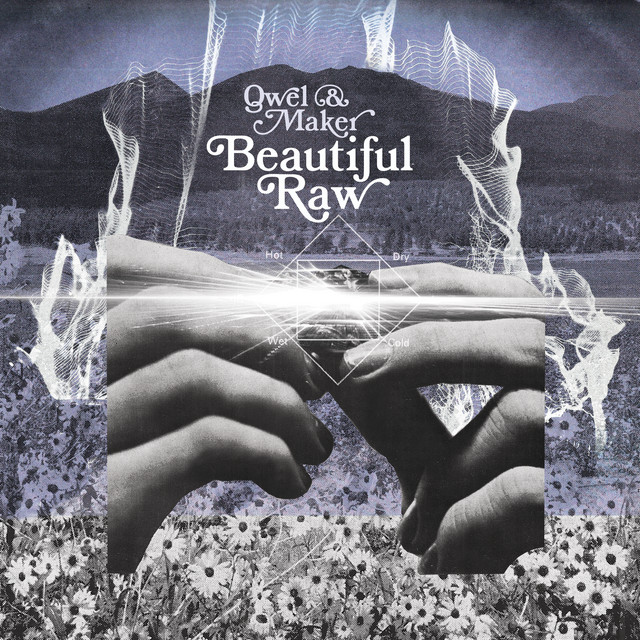
Co-founder of Chicago-based underground rap crew the Typical Cats, Qwel constantly blurred the line between written prose and rap lyrics upon each successive album during the 2000s. With a voice uninflected in tone, the cerebral MC aggressively delivers each word, structuring his verses into multi-syllable rhyme schemes. His style was nurtured from being an avid participant of the Midwest's (Chicago in particular) rhyme-battling scene over the course of the late '90s and early 2000s, which is how he met rap colleagues Qwazaar, Denizen Kane, and DJ Natural to form Typical Cats. Qwel's first major recording was the Typical Cats' self-titled debut, released in 2001 by independent record company Galapagos4. That experience initiated a close relationship with the label which Qwel continued to build as Galapagos4 became a fixture within Chicago's underground hip-hop community, even after it moved its operations to California. Qwel's solo debut, If It Ain't Been in the Pawn Shop, Then It Can't Play the Blues, also arrived in 2001. It introduced him as a complex rapper prone to constructing intricate concepts -- a sharp contrast to his rhyme-battling days. Best illustrating Qwel's propensity for lyrical exploration and experimentation were the series of collaborative albums conceptualizing together the four seasons and the four horsemen of the apocalypse (from the Bible's Book of Revelation). 2004's The Harvest, a collaboration with fellow Chicagoan and Glue beatsmith Maker, was the first in the series. The second in the series (and his fifth official effort), Freezer Burner, featured the colder, lo-fi production of labelmate Meaty Ogre and was released in 2006. ~ Cyril Cordor, Rovi
First discovered Aug 15, 2026, 10:17 PM