Gangsta Pat
Charts
Tracks
Playlists
Press Mentions
Google Rankings
Overview
Included in high risk playlists
Monthly Listeners
Discography
Top Audiences
Top Listener Locations
 Los Angeles, US5,717Dallas, US3,905Chicago, US3,865Houston, US3,772Phoenix, US3,307
Playlist Summary
Playlist Movement
Event | Playlist | Botted? | Position | Track | Happened at | |
|---|---|---|---|---|---|---|
Biography & Metadata
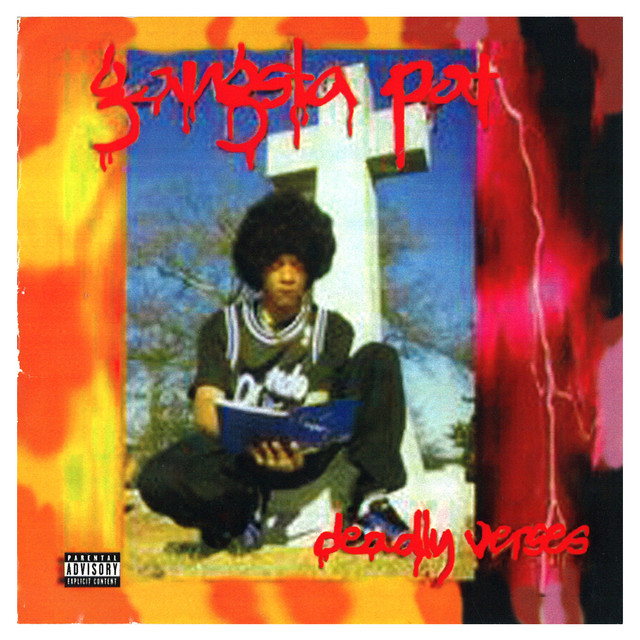
One of the first Memphis rappers to make the major-label jump, Gangsta Pat never attained the acclaim or success of fellow Memphis pioneers Three 6 Mafia and Eightball & MJG, yet he still remains noteworthy for his trailblazing. Pat's career began promisingly when Atlantic signed him at the dawn of the gangsta rap era and released #1 Suspect (1991) as well as two accompanying singles, "I'm tha Gangsta" and "Gangsta's Need Love 2." Like most of Atlantic's other rap releases from the time, Pat's debut made little impact, quickly going out of print and leaving the rapper without a recording contract soon after. Pat returned to the underground the next year with Wrap Records, a short-lived indie label distributed by Ichiban. Wrap released two Pat albums, All About Comin' Up (1992) and Sex, Money & Murder (1994), as well as two respective singles, "Gangsta Boogie" and "That Type of Gangsta." Once again, Pat found little success beyond the Atlanta-Memphis axis and thus packed his bags, moving to Power Records for Deadly Verses (1995) and Homicidal Lifestyle (1997). These two albums showcased a more introspective and mature style, as Pat sped up his flow à la Bone and darkened his themes à la Three 6 Mafia. Regardless, despite the cult following he began to garner with these two highly regarded albums, he couldn't translate the support into national sales, and he moved on to yet another label, Red Rum. He remained there for quite a while, releasing a string of albums beginning with The Story of My Life (1997) that tended to emulate the trends of their respective eras. Perhaps as a plea for much-needed publicity, Pat targeted Three 6 Mafia on his 1999 album, Tear Yo Club Down, with a pointed dis track. ~ Jason Birchmeier, Rovi
First discovered Apr 26, 2026, 3:04 PM