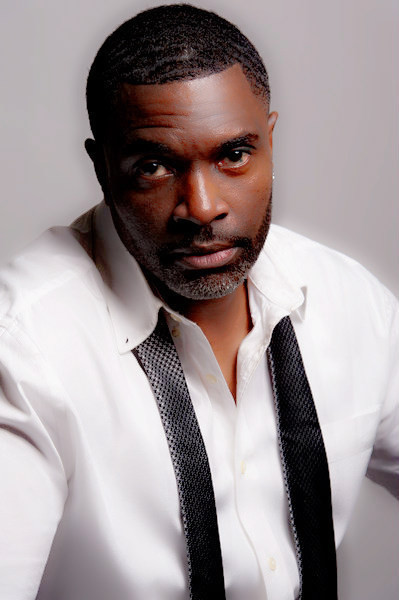
Horace Brown
Charts
Tracks
Playlists
Press Mentions
Google Rankings
Overview
Included in high risk playlists
Monthly Listeners
Series
- Monthly Listeners
- Listeners from Playlists
- Change
Discography
Genres
Spotify has not assigned genres to this artist yet
Top Audiences
Top Listener Locations
 London, GB6,040
 Johannesburg, ZA3,475
 Sydney, AU2,797
 São Paulo, BR2,250Melbourne, AU2,186
Playlist Summary
Playlist Movement
Event | Playlist | Botted? | Position | Track | Happened at | |
|---|---|---|---|---|---|---|
Biography & Metadata
A smooth R&B singer and songwriter who placed four singles on Billboard's R&B chart during the post-new jack swing mid-'90s, Horace Brown sang for his Baptist minister father's services during his youth, and played trombone and saxophone in high school marching band. The Charlotte, North Carolina native set a course for a career in professional basketball, but a knee injury permanently sidelined him and pushed him toward music. In addition to the gospel music heard in church, Brown was influenced by a spectrum of other musical styles as he was growing up, and counted Stevie Wonder, Steely Dan, and Sting among the artists he admired. Brown's first true break came in 1991, when Jodeci's DeVante Swing took a liking to his demo. Brown subsequently worked with Christopher Williams, Terri & Monica, and Father, and was signed by Andre Harrell to the Uptown label. Brown debuted in 1994 with "Taste Your Love," an ode to oral sex that was banned in parts of the South and still managed to peak at number 38 on Billboard's R&B chart. Progress stalled until Harrell jumped to Motown and took Brown with him. In March 1996, the mellow player's anthem "One for the Money," assisted by a sample of the Blackbyrds' "Mysterious Vibes," debuted on Billboard's R&B chart. It eventually peaked at number 14 and generated anticipation for a self-titled album issued that June. A pair of additional singles, including a duet with Faith Evans, were unable to surpass the popularity of "One for the Money." Brown later appeared on scattered collaborations , including Mr. Cheeks' "Friday Night," released some independent singles, and wrote and performed well into the 2010s. ~ Andy Kellman & Linda Seida, Rovi
First discovered Nov 7, 2026, 12:49 PM