Strawberry Switchblade
Charts
Tracks
Playlists
Press Mentions
Google Rankings
Overview
Included in 2 High Risk Playlists
Monthly Listeners
Series
- Monthly Listeners
- Listeners from Playlists
- Change
Discography
Genres
Spotify has not assigned genres to this artist yet
Top Audiences
Top Listener Locations
 Los Angeles, US7,906
 London, GB6,082New York City, US5,367Chicago, US5,168
 Melbourne, AU3,854
Playlist Summary
Playlist Movement
Biography & Metadata
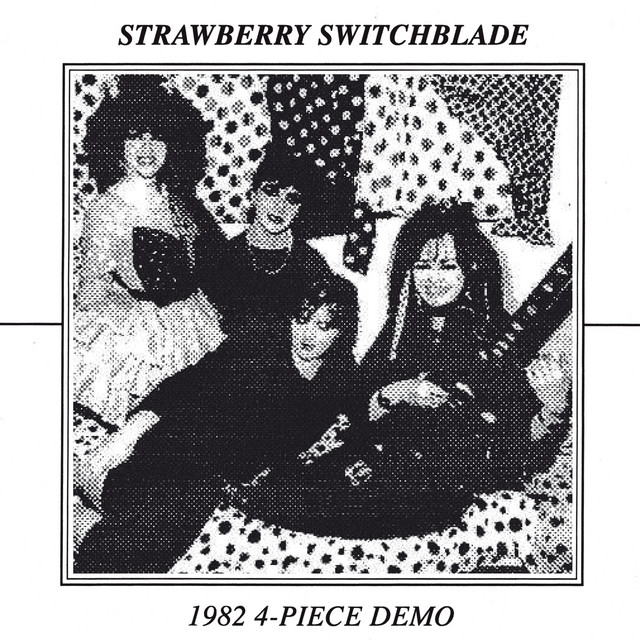
From the ominous shadows of goth suddenly appeared two young girls in polka-dot dresses, flaming red lipstick, and hair ribbons. Looking like the brides of Robert Smith, Strawberry Switchblade made a brief splash on the U.K. charts and then abruptly vanished in the mid-‘80s, leaving their fans with a handful of collectible singles and one LP of deceptively sweet-sounding dance-pop. The duo of Rose McDowall and Jill Bryson first met in 1977 in Glasgow, Scotland, united by their love for punk and new wave. The pair became friends with James Kirk of Orange Juice, who encouraged them to start their own group. In 1981, the new act named themselves after a fanzine devoted to the legendary Postcard Records in Scotland: Strawberry Switchblade. The band originally consisted of four members, but the two other women eventually split from the group, leaving McDowall and Bryson on their own. Strawberry Switchblade became the opening act for Orange Juice. Signed to Postcard Records, the band didn't record their first single, "Trees and Flowers," until they were picked up by Zoo. Echo & the Bunnymen's manager Bill Drummond became a fan of the group and convinced Ian McCulloch to pay for the manufacturing costs of "Trees and Flowers." The song, which featured Aztec Camera's Roddy Frame on guitar, was released in July 1983 and sold 10,000 copies. Strawberry Switchblade gained mainstream attention by performing on BBC DJ Janice Long's radio program. Drummond then signed the group to Warner Bros. Their next single, "Since Yesterday," hit number five on the British charts in 1984, providing a sneak preview for their self-titled debut album a year later. However, the LP never made it to the U.S. Saturated with colorful, jubilant keyboards that disguised the sadness in the songs' lyrics, the hook-laden Strawberry Switchblade didn't achieve the commercial success that the popularity of "Since Yesterday" promised. Subsequent singles such as "Let Her Go" and "Who Knows What Love Is?" did well in the Philippines -- played heavily on the country's new wave radio stations -- but weren't as warmly embraced in the U.K. The band covered Dolly Parton's "Jolene," their last futile stab at mass acceptance. Strawberry Switchblade broke up in 1986, burned out from the pressure of having to sell records. McDowall collaborated with various dark, experimental acts like Nurse with Wound and Current 93; she also briefly played guitar for Felt. Although short-lived, Strawberry Switchblade developed a worldwide cult following years after they quit recording, and their only full-length was reissued on CD in Japan in the early ‘90s. ~ Michael Sutton, Rovi
First discovered Sep 28, 2024, 10:02 PM