Sharkey Bonano
Charts
Tracks
Playlists
Press Mentions
Google Rankings
Overview
Not included in any known risky playlists
Monthly Listeners
Discography
Top Audiences
Top Listener Locations
 Tokyo, JP14
 Mexico City, MX8
 São Paulo, BR7Nagoya, JP7
 Santiago, CL4
Playlist Summary
Playlist Movement
Event | Playlist | Botted? | Position | Track | Happened at | |
|---|---|---|---|---|---|---|
Biography & Metadata
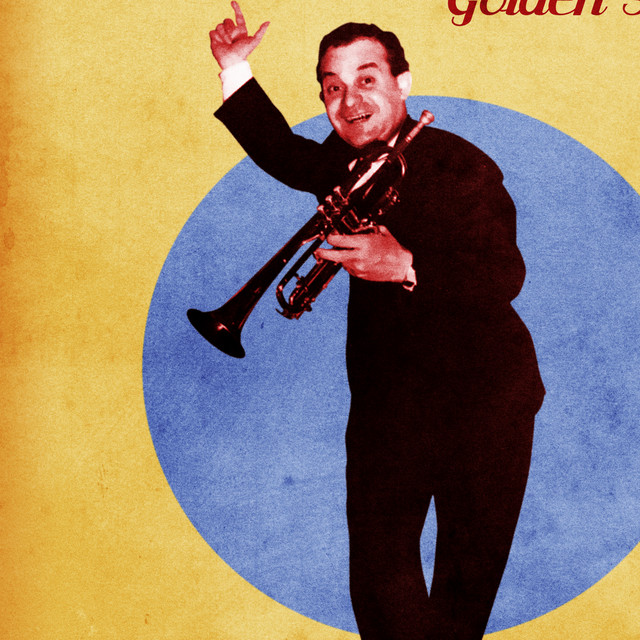
In the early '20s, New Orleans native Sharkey Bonano played locally with the bands of Chink Martin and Freddie Newman, among others. Later, he moved to New York where he unsuccessfully auditioned for a spot with the Wolverines. In 1924, he landed a spot with pianist Jimmy Durante. The next year, he returned home to lead his own band. In 1927, he joined the famous Jean Goldkette Orchestra, which then featured Bix Beiderbecke and Frankie Trumbauer. From 1928-1930, Bonano led his own group, the Melody Masters, with Leon Prima. After playing in California with Original Dixieland Jazz Band clarinetist Larry Shields, Bonano once again returned to New Orleans, where he stayed from 1930-1936. In 1936, Bonano worked with Ben Pollack before forming his own New York-based group, the Sharks of Rhythm, with which he recorded much of his finest work. Around that time, he also played sporadically with the ODJB. After a military stint in the '40s, Bonano played around and about New Orleans, where his outgoing musical personality gained him a large following. From 1949 on, he led his own groups; Bonano remained active around New Orleans, Chicago, and New York until the 1960s, when ill health forced him to retire. ~ Chris Kelsey, Rovi
First discovered Oct 7, 2026, 4:09 AM