Waldemar Bastos
Charts
Tracks
Playlists
Press Mentions
Google Rankings
Overview
Not included in any known risky playlists
Monthly Listeners
47,753 – 49,203
Discography
Top Audiences
Top Listener Locations
 Luanda, AO2,728
 Lisbon, PT1,569
 Paris, FR1,168
 Amsterdam, NL796
 Berlin, DE703
Playlist Summary
Playlist Movement
Event | Playlist | Botted? | Position | Track | Happened at | |
|---|---|---|---|---|---|---|
Biography & Metadata
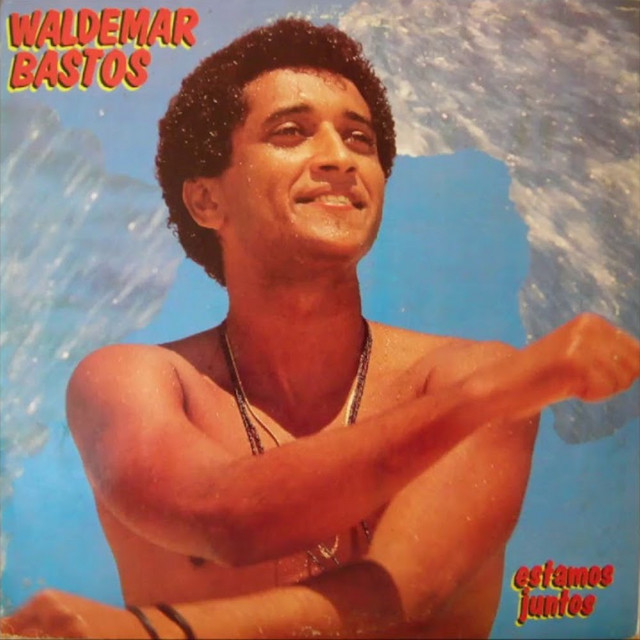
The political struggles of southern Africa are viewed through peaceful and romantic eyes by Zaire-born, Angola-raised and Portugal-based singer/songwriter Waldemar Bastos. Despite spending his childhood under the oppression of colonialism, Bastos discovered music was a potent outlet for his optimistic vision. Bastos' musical aptitude was evident at an early age. Shortly after his seventh birthday, his father, an itinerant nurse who played piano and organ, came home to find him playing songs on an accordion. When his parents gave him a choice between a bicycle and music lessons as a Christmas gift, he chose the lessons. Although he didn't learn to read music, it was discovered that he had a natural talent for music and could play intricate pieces by ear. Bastos was exposed to a wide variety of musical styles as he traveled with his parents, who were both nurses. Although his music has retained its roots in African guitar pop, his arrangements incorporate influences of Brazilian and Portuguese music. Bastos' first band, Jovial, performed throughout Angola. Although he began to play original music after Angola achieved independence with the overthrowing of Portuguese dictator Samoza in 1974, he continued to be plagued by Angola's mistreatment of its artists. During the period of Angola's colonialization, he was briefly imprisoned by Portuguese political police. When many urban artists were killed in 1977 for participating in anti-state activities, Bastos narrowly managed to avoid confrontation as he traveled throughout the Soviet bloc, performing in Poland, Czechoslavakia, Cuba and the former Soviet Union. In 1982, Bastos defected from Angola and lived temporarily in Brazil, where he recorded his debut album, Estamos Juntos. Following a short period in Paris, he relocated to Portugal, where he continues to reside. Bastos' second album, Angola Minha Namorada ("My Sweetheart Angola"), released in 1990, was followed by Pitanga Madura ("Ripe Berry") two years later. The title tune became a major hit in Angola. In 1998, Bastos released his first internationally distributed album, Pretaluz'. ~ Craig Harris, Rovi
First discovered Sep 26, 2026, 12:55 PM