Omagoqa
Charts
Tracks
Playlists
SEO
Press Mentions
Overview
Not included in any known risky playlists
Monthly Listeners
Discography
Genres
Spotify has not assigned genres to this artist yet
Top Audiences
Top Listener Locations
 Durban, ZA21,898Cape Town, ZA18,117Johannesburg, ZA10,097Port Elizabeth, ZA5,366Pretoria, ZA3,181
Playlist Summary
Playlist Movement
No activity found
This artist's playlist additions and removals will appear here.
Biography & Metadata
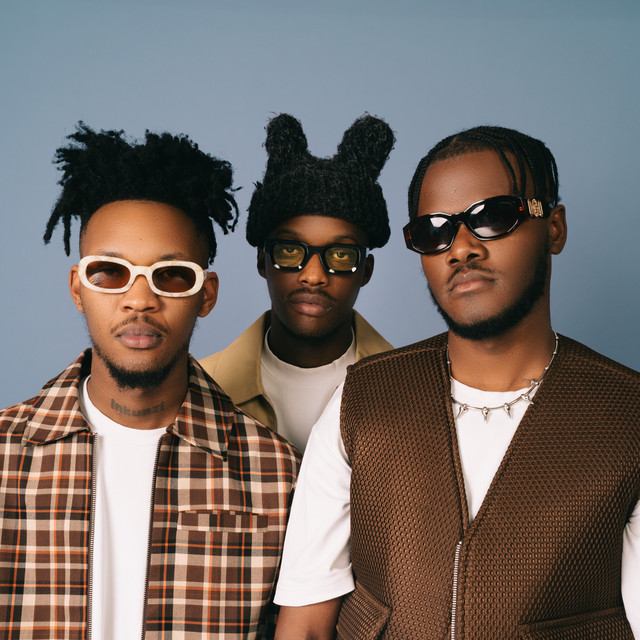
Hailing from Durban, South Africa, the trio Omagoqa consisting of Andile Mazibuko (Ma_A), Franco Makhathini (KB) and Njabulo Sibiya (Chase), is rooted in the rhythmic pulse of percussion and bass, the essence of Gqom. Their musical odyssey began as individual journeys in 2012, leading to the formation of the collective Unticipated Sounds in 2014. Venturing on, they soon founded Omagoqa, with their foundational tools being a simple laptop and FL Studio. Initially influenced by South Africa’s hailing house music and stalwart such as Da Capo and Duke Soul, their sound matured drawing inspiration from the unique style of DJ Lag amongst others. Omagoqa stand today as a testament to the evolving and vibrant gqom genre, creating new wave gqom with the artistic intention to always let the masses feel the indigenous authenticity of sound. Their music showcases a version of gqom coined ‘uThayela’ & ‘Is’qinsi’. ‘uThayela’ translates literally to “corrugated iron” which you find being used as roofing material on most South African homes. It’s used to describe “a rougher sound with a harder bassline that it is made for clubs”. ‘Is’qinsi’ is described as an infusion between ‘uThayela’ and electronic sounds generally associated with foreign based Electronica type musical elements.
First discovered Aug 14, 2026, 10:50 AM