Ernesto Lecuona
Charts
Tracks
Playlists
Press Mentions
Google Rankings
Overview
Not included in any known risky playlists
Monthly Listeners
Discography
Genres
Spotify has not assigned genres to this artist yet
Top Audiences
Top Listener Locations
 Madrid, ES1,842
 Paris, FR1,560Barcelona, ES1,352
 Berlin, DE1,281
 Mexico City, MX1,245
Playlist Summary
Playlist Movement
Event | Playlist | Botted? | Position | Track | Happened at | |
|---|---|---|---|---|---|---|
Biography & Metadata
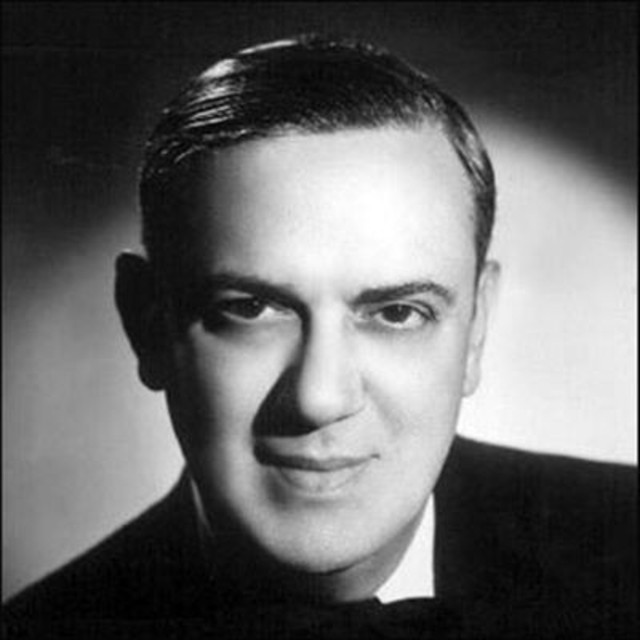
Arguably the most important Latin musical figure of the early 20th century, Ernesto Lecuona wrote hundreds of works during the era, including popular standards ("Malagueña," "Andalucia" aka "The Breeze and I," "Siempre en Mi Corazon," "Comparsa," "Noche Azul") as well as operettas, ballets, and an opera. Born in the Guanabacoa section of Havana in 1896, Lecuona earned fame first as a concert pianist. Taught piano by a sister (all three of his siblings were musicians), he studied at the National Conservatory in Havana and, later, with Maurice Ravel in Paris. He debuted in New York at the age of 21, and soon became a concert sensation (his piano recordings run into five volumes). Lecuona had been composing songs even while studying piano however, and he copyrighted two of the most famed songs in the Latin repertoire -- "Malagueña" and "Andalucia" -- during the late '20s. His group, the Palau Brothers Cuban Orchestra (later renamed the Lecuona Cuban Boys), toured America during the 1930s and became a huge success. Lecuona composed the scores for four MGM films during the early '30s, and earned an Academy Award nomination for the title song to 1942's Always in My Heart. Lecuona, named the cultural attaché to the Cuban embassy in Washington, D.C., in 1943, rarely performed after World War II, preferring instead to cultivate his Cuban farm. He left his native country in 1960 however, denouncing Castro's revolution and vowing never to play again until Cuba was free of communism. Apparently, he never did perform professionally again, and he died in 1963 while on vacation in the Canary Islands. ~ John Bush, Rovi
First discovered Sep 18, 2026, 3:39 AM