Supergroove
Charts
Tracks
Playlists
Press Mentions
Google Rankings
Overview
Not included in any known risky playlists
Monthly Listeners
Discography
Genres
Spotify has not assigned genres to this artist yet
Top Audiences
Top Listener Locations
 Auckland, NZ25,785Christchurch, NZ7,841Wellington, NZ6,390Hamilton, NZ6,165
 Brisbane, AU5,978
Playlist Summary
Playlist Movement
Event | Playlist | Botted? | Position | Track | Happened at | |
|---|---|---|---|---|---|---|
Biography & Metadata
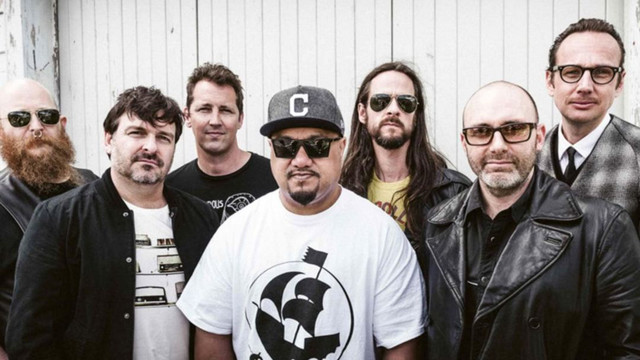
This New Zealand group was formed from the ashes of the Low Down Dirty Blues Band, a high school ensemble led by singer-songwriter Karl Steven and bass player Joe Lonie that specialized in horn-dominated rock and cover versions of material from The Blues Brothers. They evolved into Supergroove in 1993, enjoying immediate success when their debut single, ‘Here Comes The Supergroove’, became the first in a series of chart successes. The sound on their debut album, Traction, offered a sumptuous, mature blend of blues, funk, soul and metal, ensuring the group received further critical approbation. Public reaction was strong too, the 65, 000 units sold being equivalent to quadruple platinum status in New Zealand. However, while touring during 1995, the group elected to steer a path closer to traditional rock, resulting in the departure of singer/rapper Che Fu (who enjoyed subsequent solo success) and trumpeter Tim Stewart. The group’s brass section was effectively stood down with the decision to move saxophonist Nick Atkinson to keyboards. Backspacer was part of a conscious effort by the group to secure a global following. Now managed by Ted Gardener (a veteran of work with PiL, Echo And The Bunnymen and New Order), he helped them develop strategies for selling to South-East Asia (the group are particularly popular in Indonesia) as well as Europe and the USA.
First discovered Aug 15, 2026, 4:39 AM