Mdou Moctar
Charts
Tracks
Playlists
Press Mentions
Google Rankings
Overview
Not included in any known risky playlists
Monthly Listeners
Series
- Monthly Listeners
- Listeners from Playlists
- Change
Discography
Top Audiences
Top Listener Locations
 London, GB1,647
 New York City, US1,154
 Melbourne, AU1,015Los Angeles, US988Brooklyn, US887
Playlist Summary
Playlist Movement
Biography & Metadata
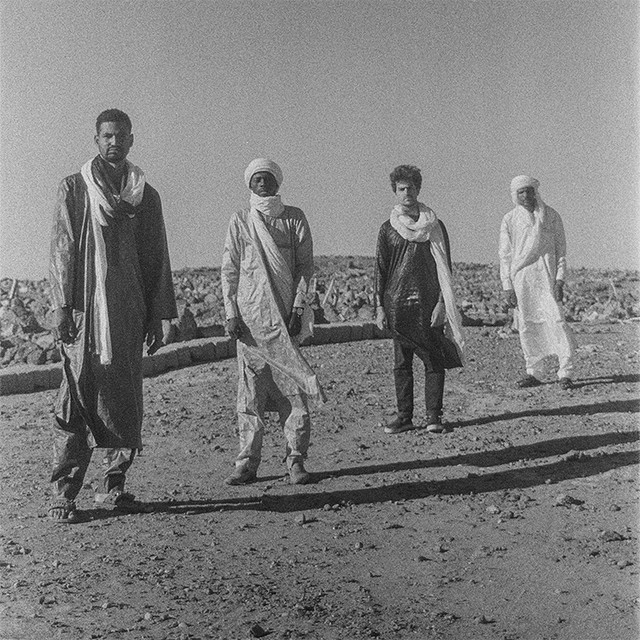
On February 28, Matador will release Tears of Injustice, the acoustic version of Mdou Moctar’s acclaimed album Funeral for Justice. The album owes its existence to a national catastrophe. In July of 2023, Mdou Moctar was on tour in the United States when the president of Niger was deposed in a coup. Moctar, Ahmoudou Madassane, and Souleymane Ibrahim unable to return home to their families. They decided to seize the opportunity to record a companion to Funeral for Justice, one that reflected the newer and graver circumstances at home. Two days after the tour wrapped, the quartet began tracking Tears of Injustice at Brooklyn’s Bunker Studio with engineer Seth Manchester. They chose to track Tears sitting together in one room, keeping the session loose, stripped down, and spontaneous. After a month, the band was able to return home to Niger and, when they did, bassist and producer Mikey Coltun gave Madassane a Zoom recorder to take along. The rhythm guitarist used it to record a group of Tuaregs performing call-and-response vocals, which were later added into the final mix. On Funeral for Justice, anger at the plight of Niger and the Tuareg people is plainly expressed in the music’s volume and velocity. On Tears, the songs retain that weight sans amplification. They are steeped in sadness, conveying the grief of a nation locked into a constant churn of poverty, colonial exploitation, and political upheaval. It is Tuareg protest music in raw and essential form.
First discovered Sep 9, 2025, 6:59 PM