Florent Schmitt
Charts
Tracks
Playlists
Press Mentions
Google Rankings
Overview
Not included in any known risky playlists
Monthly Listeners
Discography
Genres
Spotify has not assigned genres to this artist yet
Top Audiences
Top Listener Locations
 Paris, FR55
 Madrid, ES39
 Mexico City, MX39
 New York City, US38
 Amsterdam, NL35
Playlist Summary
Playlist Movement
Event | Playlist | Botted? | Position | Track | Happened at | |
|---|---|---|---|---|---|---|
Biography & Metadata
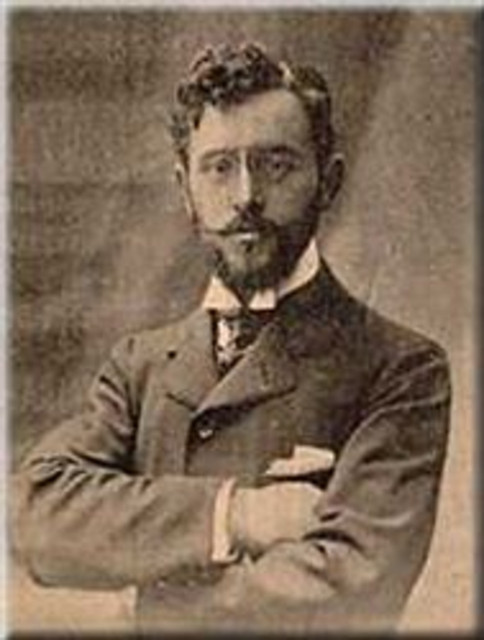
Schmitt was a prolific composer for all his long life -- notching 138 opus numbers, including every genre except for opera -- but the works he is remembered for were written in his youth. He was difficult to pigeonhole, and has been called everything from conservative to neo-Romantic to revolutionary. His music, characterized by rhythmic energy, refined orchestration, and tonal harmony, combines his admiration for impressionism and the beginning of the reaction against it. It contains from echoes of Franck to anticipations of Stravinsky. Dutilleux wrote that Schmitt "gave back to the French school certain notions of grandeur." Schmitt only got interested in music during his teenage years, and studied in Nancy and later in Paris with Massenet and Fauré. He won the Prix de Rome in his fifth attempt, aged 30. From Rome he sent his first masterpiece, the choral-orchestral Psalm 47 (1904). Three years later he wrote a ballet, later rearranged as symphonic poem, La tragédie de Salomé, whose violence was uncommon in French music and which became his most famous piece. He was a member of the Societé Musicale Indépendante in 1908, director of the Conservatoire de Lyon (1922-1924), and music critic for Le Temps (1929-1939). In 1932, he appeared as soloist in his Symphonie Concertante for piano and orchestra in Boston. In 1938 he was appointed President of the Societé Nationale de Musique. Other important works were his Piano Quintet (1908), a string quartet, the Sonata Libre en deux parts enchainées for violin and piano, and two symphonies, the last of which was premiered only two months before his death.
First discovered Oct 5, 2026, 8:44 PM