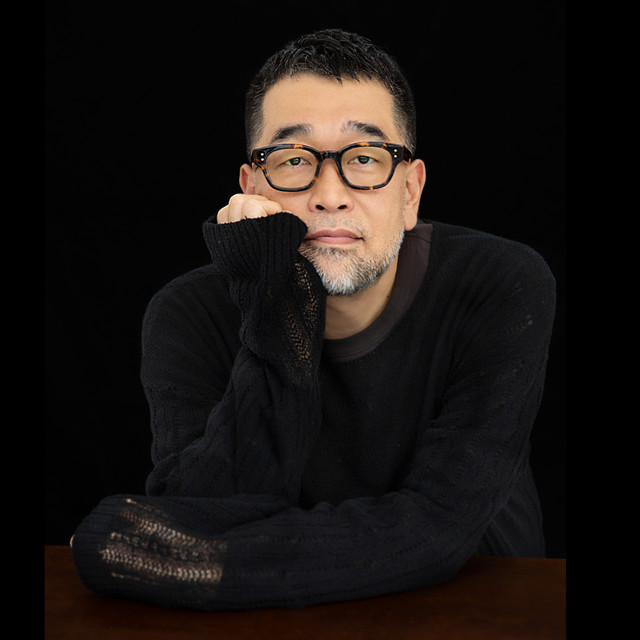
Noriyuki Makihara
Charts
Tracks
Playlists
Press Mentions
Google Rankings
Overview
Not included in any known risky playlists
Monthly Listeners
Discography
Genres
Spotify has not assigned genres to this artist yet
Top Audiences
Top Listener Locations
 Osaka, JP69,300Tokyo, JP66,399Nagoya, JP46,573Yokohama, JP25,903Fukuoka, JP24,786
Playlist Summary
Playlist Movement
Event | Playlist | Botted? | Position | Track | Happened at | |
|---|---|---|---|---|---|---|
Biography & Metadata
Making his way into the dense J-Pop scene in the early '90s, Noriyuki Makihara quietly bucked the trend of short and trendy artist lifespans, remaining in the scene for close to 20 years. After some major early hits with 1991's "Donnatokimo" and 1992's "Mou Koi Nante Shinai," Makihara began updating his sound to match the contemporary scene (though a fair amount of Casio keyboard-style synthesizers can be heard in the earliest pieces). Bit by bit, Makihara became a contemporary artist, and although his sales lagged for a time (temporarily highlighted by the use of "Ashioto" as the theme for the Nagano Winter Olympics), he returned to the scene in the late '90s with pieces such as "Hungry Spider," taking some cues from American alternative stylings. Continuing to pump out single after single, album after album throughout the first decade of the new century, Makihara may not have differentiated hugely from the rest of the J-Pop world, but earned a place for himself in the pantheon of J-Pop notables through sheer longevity. As of late 2007, Makihara had returned to the Oricon charts with "Kanashimi Nante Nan no Yaku ni mo Tatanai to Omotteita," remaining high in the rankings for months after its release. ~ Adam Greenberg, Rovi
First discovered Aug 21, 2026, 9:45 PM