Chester Zardis
Charts
Tracks
Playlists
Press Mentions
Google Rankings
Overview
Not included in any known risky playlists
Monthly Listeners
Discography
Genres
Spotify has not assigned genres to this artist yet
Top Audiences
Top Listener Locations
 New Orleans, US10New York City, US5Charlotte, US5Portland, US4Chicago, US4
Playlist Summary
Playlist Movement
Event | Playlist | Botted? | Position | Track | Happened at | |
|---|---|---|---|---|---|---|
Biography & Metadata
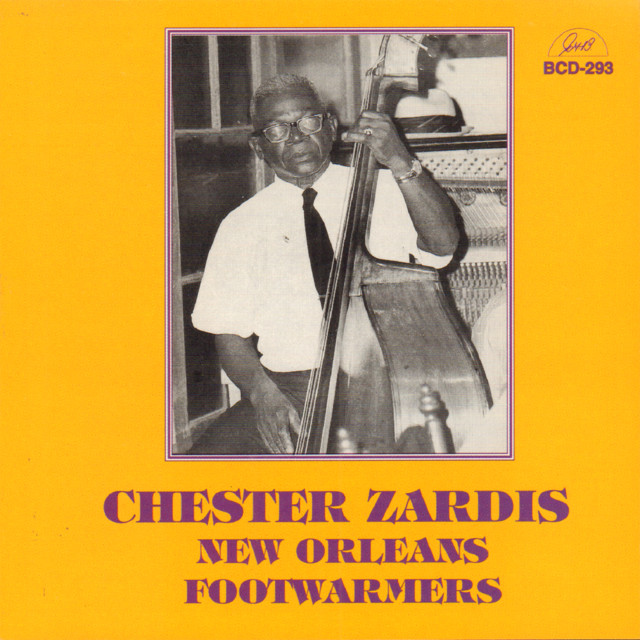
If the bass player is the foundation of an ensemble, jazz master Chester Zardis was born for the job, both in stature and philosophy. He was a short, stocky man, who was nicknamed "Little Bear" by bandleader Fats Pichon when they played music in the 1930s on the river boat S.S. Capital, running between New Orleans and St. Louis. Zardis believed that it was the bass player's duty to maintain the group's tempo without undue fanfare, like a good helmsman who keeps his boat on course. Zardis managed to do that in his seven decades in the music business. Born at the dawn of the 20th century, Zardis came up in New Orleans when being a musician was not a respectable calling. Although Zardis took to music at an early age, his mother was against it. He had to sneak away to take private string bass lessons from Billy Marerro, bandleader of the renowned Superior Orchestra. But it was the movies and not music that got young Chester Zardis into trouble. A fisticuffs at a theater landed Zardis in the Jones Waif Home. There, he played music with another resident: Louis Armstrong. At age 16, Zardis joined the band of the notorious Buddy Petit, a great cornet player with questionable morals. When the young bass player's mother found out, Zardis was in even bigger trouble. But he kept playing music. He played the bass at clubs, and tuba -- the bass line of the brass bands -- on the streets. He played with Kid Rena, the Piron's New Orleans Orchestra, Punch Miller, Kid Howard, Jack Carey, and Fate Marable, Duke Dejan's Dixie Rhythm Band, and even Petit again, as well as with the Count Basie Band in New York. His first recording dates were in the 1930s, with Bunk Johnson and George Lewis. After working steadily throughout that decade, he joined the army during World War II. He had a short run as a sheriff out West before coming home to New Orleans to work with Andy Anderson. Zardis gave up the music life in 1954, and did not return to it until a decade later, when he began playing at the Preservation Hall with some of his old friends, such as George Lewis and Percy Humphrey. Thus began a fruitful late career that lasted until Zardis passed away in 1990, at the age of 90. Those years were filled with music, at clubs and festivals, national and world tours. With his own unique playing style, and colorful life, Zardis was a darling of the documentary film maker. Three films have been made about the bass player, including Liberty Street Blues; Chester Zardis: Spirit of New Orleans; and Three Men of Jazz. A master of traditional style, Zardis got a lot of sound out of the string bass, by plucking and slapping his instrument. The listener can catch him on his New Orleans Foot warmers and Spirit of New Orleans CD's, as well as on recordings of his peers. Check him out, for instance, on Percy Humphrey's Hot Six; Jazz Fest Masters; or the George Lewis, Echoes of New Orleans series. There will never be another like Chester Zardis. ~ Rose of Sharon Wither, Rovi
First discovered Sep 1, 2026, 5:34 PM