Hugo Blanco
Charts
Tracks
Playlists
Press Mentions
Google Rankings
Overview
Not included in any known risky playlists
Monthly Listeners
Series
- Monthly Listeners
- Listeners from Playlists
- Change
Discography
Top Audiences
Top Listener Locations
 Bogotá, CO14,762
 Mexico City, MX13,617
 Lima, PE11,828Medellín, CO5,987Cali, CO5,379
Playlist Summary
Playlist Movement
Biography & Metadata
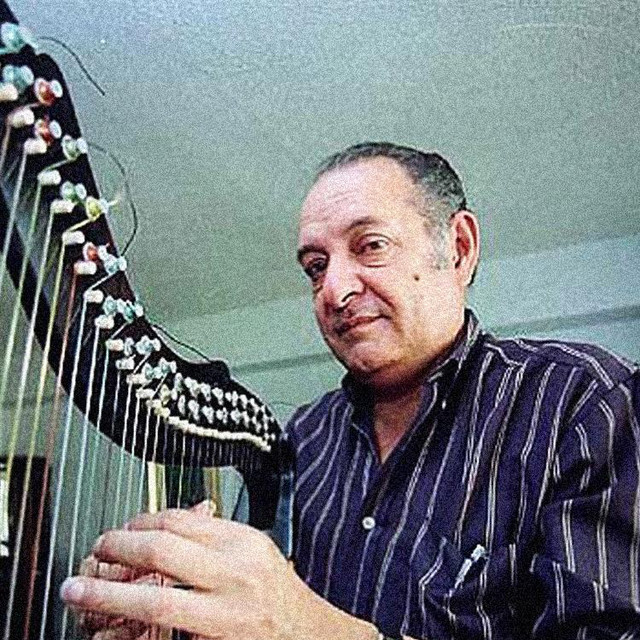
A lauded Venezuelan musician and songwriter, Hugo Blanco wrote some of the country's most discernible songs and pioneered the music style orquídea, a festive blend of salsa, merengue, and joropo. Born in Caracas in 1940, Blanco took up the cuatro at the age of 15, and taught himself how to play via the radio. In 1958, at age 18, he composed "Moliendo Café," which would go on to become an international sensation, with nearly 800 versions of the song recorded over the years in multiple languages -- Blanco himself didn't record the song until 1961. During that time he began composing gaitas with prominent Venezuelan singer Simón Díaz. Later that decade, Blanco would form the ska group Las Cuatro Monedas. He founded another popular group, Los Hijos de Ña Carmen, in the 1970s. Blanco would continue to write and perform well into the 21st century, having written some of the country's most enduring songs, including "El Burrito Sabanero," "Leche Condensada," "Luces de Caracas," "Sierra Nevada," "Mañanita Zuliana," and, of course, the timeless "Moliendo Café." ~ James Christopher Monger
First discovered Aug 31, 2026, 3:22 AM