Renato Russo
Charts
Tracks
Playlists
SEO
Press Mentions
Overview
Included in high risk playlists
Monthly Listeners
Discography
Top Audiences
Top Listener Locations
 São Paulo, BR196,370Rio de Janeiro, BR83,601Belo Horizonte, BR75,344Brasília, BR56,042Campinas, BR42,885
Playlist Summary
Playlist Movement
No activity found
This artist's playlist additions and removals will appear here.
Biography & Metadata
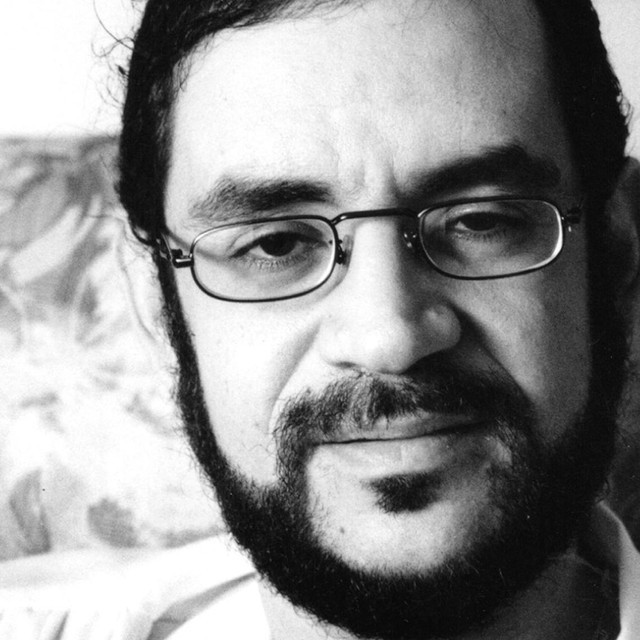
Renato Russo was a highly successful rock/pop artist and the founder of the Legião Urbana band. Even though the band broke up after his death, the band is still Brazil's best-selling rock group. Their CD from the Acústico MTV series sold more than a million copies, staying in second place on the top charts of Rio and São Paulo. From 1995 to 1999, 10.2 million copies of Legião's albums were sold and two million of Renato's solo albums. Russo was one of the few responsible for introducing Brazil's capital onto the national rock map, opening doors for bands like Detrito Federal, Plebe Rude, and Capital Inicial in the mid-'80s. His explosive character was the escape valve looked to by the Brazilian youth, who saw their lives depicted through his anguished lyrics. Until seven, Russo lived in Rio in the suburban Ilha do Governador neighborhood. In 1967, his family moved with him to New York. Already living in Brasília DF, in 1978 he left journalism college and founded the band Aborto Elétrico, the first punk rock group of Brasília (Renato Russo, bass; André Petrórius, guitar; and Fê, drums). The first show was in 1980 in a little bar called Só Cana. It was an instrumental show and Russo didn't sing. In November 1981, a discussion right in the middle of a show at the Aborto Elétrico marked the beginning of the end of the band. One year after he left them, he began to work with Marcelo Bonfá (drums), Eduardo Paraná (guitar), and Paulo Paulista (keyboards), forming the Legião Urbana, which played in underground joints such as Napalm. In 1988, during a show of the Legião Urbana on the As quatro Estações tour, a fan invaded the stage and physically attacked Russo. It provoked a riot in which 385 people were injured and a furious address by Russo, promising never to play again in Brasília. In 1993, he started his solo work and also kept in parallel with the Legião Urbana. In that year, he released The Stonewall Celebration (a reference to the 25th anniversary of the gay rebellion in the U.S.), entirely sung in English. His second solo album was Equilíbrio Distante. In 1995, he released Strani Amore, singing in Italian. After his died from AIDS, the album O último Solo, the book Renato Russo de A a Z, and the book Conversações com Renato Russo (a compilation of his interviews) were released. ~ Alvaro Neder, Rovi
First discovered Aug 17, 2026, 8:43 PM