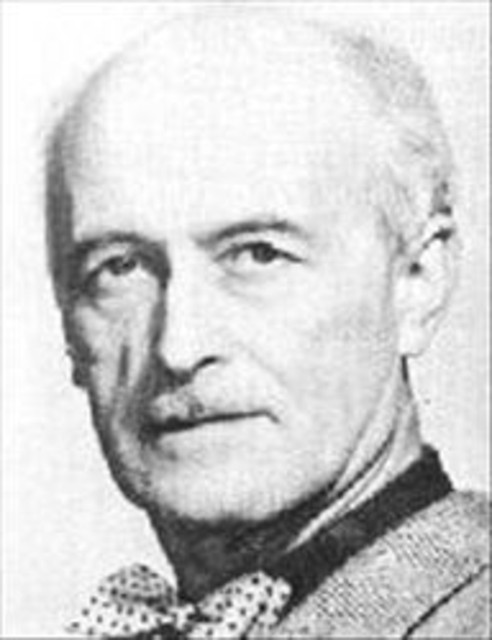
Jacques Ibert
Charts
Tracks
Playlists
SEO
Press Mentions
Overview
Not included in any known risky playlists
Monthly Listeners
Discography
Genres
Spotify has not assigned genres to this artist yet
Top Audiences
Top Listener Locations
 London, GB373
 Taipei, TW311
 New York City, US310
 Tokyo, JP307
 Berlin, DE290
Playlist Summary
Playlist Movement
No activity found
This artist's playlist additions and removals will appear here.
Biography & Metadata
Although Jacques Ibert is best remembered for a handful of orchestral bonbons in the manner and spirit of Ravel, his output encompasses nearly every genre and bears testament to a musical language characterized as much by unmistakable craftsmanship as by picturesque color. Ibert trained at the Paris Conservatory under Paul Vidal; as a student, he showed great promise and took a number of the Conservatory's awards. Following military service in World War I, Ibert traveled to Italy as a recipient of the Prix de Rome; there he composed what was to become one of his most popular works, the orchestral suite Escales (1922). This "travelogue in tones," which depicts touristy locales in Italy, Tunisia, and Spain, has come to be regarded as representative of the "Ibert sound": breezy, good-humored, and evocative. Still, Ibert was far from a one-note composer of chronically pleasant music. Another of his works written in Rome, La ballade de la geôle de Reading (The Ballad of Reading Gaol, 1920), is a tone poem based on Oscar Wilde's far-from-cheery reflection upon life in prison; it was the work, in fact, that first brought the composer to widespread attention. Though most of Ibert's works for the stage remain relatively little known, both the one-act opera Angélique (1926) and the Don Quixote-themed ballet Le chevalier errant (1935) have enjoyed continued currency. More popular still, and indeed, one of Ibert's most enduring creations, is the colorful, comical Divertissement (1930) fashioned from the composer's incidental score to Labiche's The Italian Straw Hat. Reflecting the farcical frenzy of the story, Ibert's score is a comic panoply that includes everything from jazz elements to Viennese waltzes to the "Wedding March" from Mendelssohn's Midsummer Night's Dream. Among Ibert's other works, the Flute Concerto (1934) and the Concertino da camera (1935) for alto saxophone and 11 instruments stand out as genuine mainstays of the repertoire. In 1937, Ibert was named director of the Académie de France at the Villa Medici, and was -- except for the war period -- until 1960. During World War II, Ibert was proscribed by the Vichy government, so he moved to the south of France, and then Switzerland until Charles de Gaulle asked him to return to Paris in 1944. Like a number of his serious contemporaries, Ibert also ventured from time to time into film scoring; his most conspicuous efforts in this realm include music for Orson Welles' 1948 version of Macbeth and the "Circus" sequence from Gene Kelly's Invitation to the Dance (1952). Ibert died February 5, 1962, in Paris. ~ TiVo Staff, Rovi
First discovered Aug 13, 2026, 5:03 AM