John Kay
Charts
Tracks
Playlists
Press Mentions
Google Rankings
Overview
Not included in any known risky playlists
Monthly Listeners
Series
- Monthly Listeners
- Listeners from Playlists
- Change
Discography
Genres
Spotify has not assigned genres to this artist yet
Top Audiences
Top Listener Locations
 São Paulo, BR436
 Santiago, CL186
 Mexico City, MX152Rio de Janeiro, BR139Curitiba, BR124
Playlist Summary
Playlist Movement
Biography & Metadata
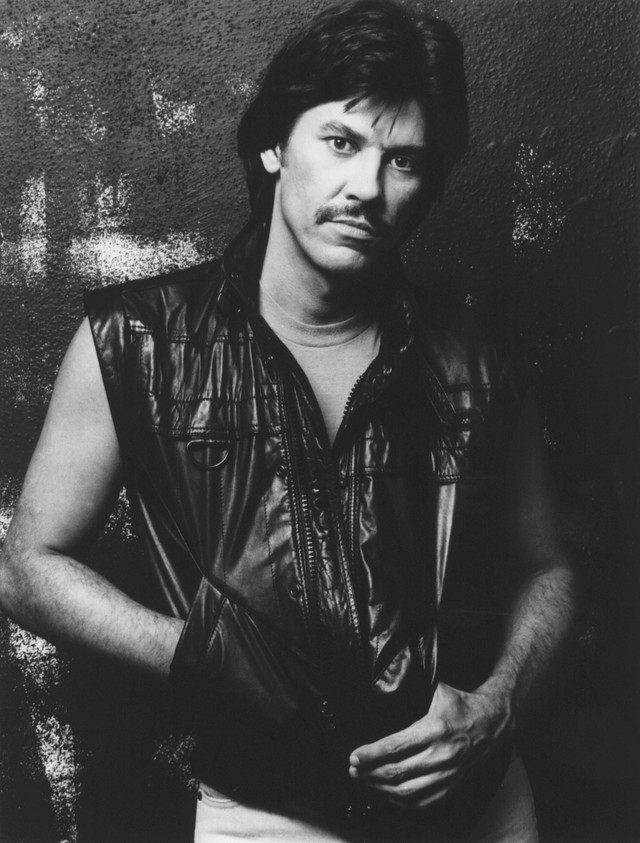
Steppenwolf leader/founder John Kay is perhaps the most overlooked early contributor to the musical style that would become heavy metal and hard rock. Kay was the first rocker to use the phrase heavy metal in a song, in one of metal's first great anthems: Steppenwolf's 1968 classic "Born to Be Wild." Born Joachim Fritz Krauledat on April 12, 1944, in the section of Germany that was once known as East Prussia, it was the American rock & roll that he heard on U.S. Armed Forces radio after his family moved to East Germany that fueled his interest in music. After relocating to Toronto, Canada, in 1958, Kay became even more transfixed by rock & roll -- leading to Kay picking up the guitar, writing songs, and playing in local bands. In the '60s, Kay founded the Sparrow, a rock outfit who played both Canada and the U.S., but received little attention. The group had fallen apart by 1967, but with a new, harder-edged style of rock beginning to conquer the charts and airwaves (Cream, Jimi Hendrix, and the Yardbirds), Kay decided to pursue this direction with his next band, Steppenwolf (titled after Hermann Hesse's novel of the same name). After moving to Los Angeles, the fledgling band was signed to Dunhill and recorded their self-titled debut, issued in 1968. The album became a sizable hit, as "Born to Be Wild" was unleashed on an unsuspecting record-buying public, becoming one of rock's most instantly identifiable and enduring hits of all time. After the track was used in the 1969 cult classic movie Easy Rider, it subsequently appeared in countless other movies and TV commercials over the years and was covered by numerous other bands (Blue Öyster Cult, Slade, Crowded House, and the Cult). Steppenwolf continued to crank out hit albums (1968's The Second, 1969's At Your Birthday Party, and 1969's Monster), singles ("Magic Carpet Ride," "Rock Me"), and tours on a regular basis, with Kay being the only constant member among a revolving door of other musicians. By 1972, Kay decided to end the group, issuing his first solo albums around the same time: Forgotten Songs & Unsung Heroes and My Sportin' Life. Steppenwolf's retirement didn't last for long, however, as Kay alternated between the band and his solo career throughout the '70s, '80s, and '90s. He even took a few former members of the band to court when they, too, began touring behind the name Steppenwolf. In 1994, Kay penned an autobiography, Magic Carpet Ride, and four years later, Steppenwolf and Kay were the subject of an interesting Behind the Music episode for VH1. ~ Greg Prato, Rovi
First discovered Aug 24, 2026, 11:43 AM