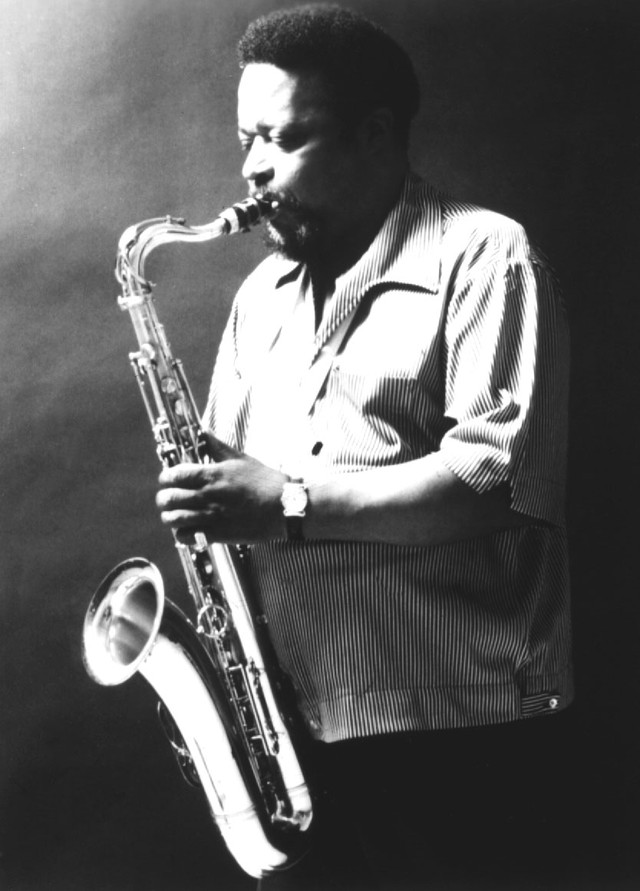
Gene Ammons
Charts
Tracks
Playlists
SEO
Press Mentions
Overview
Not included in any known risky playlists
Monthly Listeners
Discography
Top Audiences
Top Listener Locations
 Johannesburg, ZA12,279
 London, GB7,725
 New York City, US7,404Pretoria, ZA7,276Los Angeles, US7,089
Playlist Summary
Playlist Movement
No activity found
This artist's playlist additions and removals will appear here.
Biography & Metadata
Gene Ammons, who had a huge and immediately recognizable tone on tenor, was a very flexible player who could play bebop with the best (always battling his friend Sonny Stitt to a tie) yet was an influence on the R&B world. Some of his ballad renditions became hits and, despite two unfortunate interruptions in his career, Ammons remained a popular attraction for 25 years. Son of the great boogie-woogie pianist Albert Ammons, Gene Ammons (who was nicknamed "Jug") left Chicago at age 18 to work with King Kolax's band. He originally came to fame as a key soloist with Billy Eckstine's orchestra during 1944-1947, trading off with Dexter Gordon on the famous Eckstine record Blowing the Blues Away. Other than a notable stint with Woody Herman's Third Herd in 1949 and an attempt at co-leading a two tenor group in the early '50s with Sonny Stitt, Ammons worked as a single throughout his career, recording frequently (most notably for Prestige) in settings ranging from quartets and organ combos to all-star jam sessions. Drug problems kept him in prison during much of 1958-1960 and, due to a particularly stiff sentence, 1962-1969. When Ammons returned to the scene in 1969, he opened up his style a bit, including some of the emotional cries of the avant-garde while utilizing funky rhythm sections, but he was still able to battle Sonny Stitt on his own terms. Ironically the last song that he ever recorded (just a short time before he was diagnosed with terminal cancer) was "Goodbye." ~ Scott Yanow
First discovered Jun 20, 2026, 12:28 PM