The Intruders
Charts
Tracks
Playlists
Press Mentions
Google Rankings
Overview
Not included in any known risky playlists
Monthly Listeners
Series
- Monthly Listeners
- Listeners from Playlists
- Change
Discography
Top Audiences
Top Listener Locations
 Los Angeles, US24,559Phoenix, US8,780Riverside, US7,638Chicago, US6,776Sacramento, US6,705
Playlist Summary
Playlist Movement
Biography & Metadata
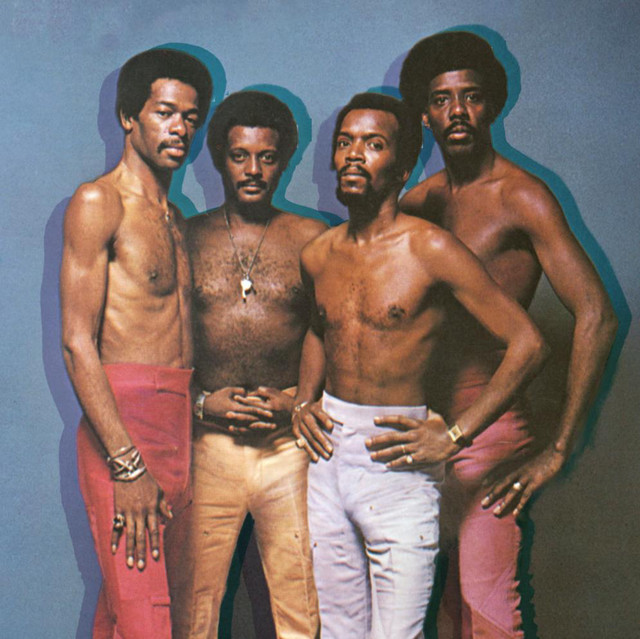
As the first group to score hits with producers Kenny Gamble and Leon Huff, the Intruders played a major role in the rise of Philadelphia soul, racking up 24 Billboard-charting hits. Formed as a Philadelphia doo-wop group in 1960, the classic lineup—Sam "Little Sonny" Brown, Eugene "Bird" Daughtry, Phil Terry, and Robert "Big Sonny" Edwards—signed with Gamble Records in 1966. They quickly scored R&B hits with "(We'll Be) United" and "Together" before their 1968 breakthrough. That year, "Cowboys to Girls" established the blueprint for Philly soul, hitting #1 on the Billboard R&B chart and #6 on the Hot 100, followed by the Top 40 crossover "(Love Is Like A) Baseball Game." Their success convinced Columbia to fund Gamble and Huff’s launch of Philadelphia International Records. Meanwhile, internal turmoil saw Brown briefly replaced by Bobby Starr for 1970's When We Get Married, which yielded hits with the title track and "(Win, Place or Show) She's a Winner." Brown returned for 1973's Save the Children, spawning their final major hits, "I'll Always Love My Mama" and "I Wanna Know Your Name." After moving to the TSOP imprint for 1974's Energy of Love, they disbanded in 1975. Daughtry briefly revived the group in 1984 before both he and Brown passed away in the 1990s. Today, Daughtry’s grandson, Marvin Dutton, carries on their legacy, touring the U.S. with new members and finding fresh success among Gen Z and Gen Alpha audiences with the viral track "Come Home Soon."
First discovered Oct 4, 2026, 5:36 AM