Lucky Dube
Charts
Tracks
Playlists
SEO
Press Mentions
Overview
Included in high risk playlists
Monthly Listeners
Discography
Top Audiences
Top Listener Locations
 Lagos, NG83,439Port Harcourt, NG59,049
 Johannesburg, ZA56,019Pretoria, ZA40,602Abuja, NG39,461
Playlist Summary
Playlist Movement
No activity found
This artist's playlist additions and removals will appear here.
Biography & Metadata
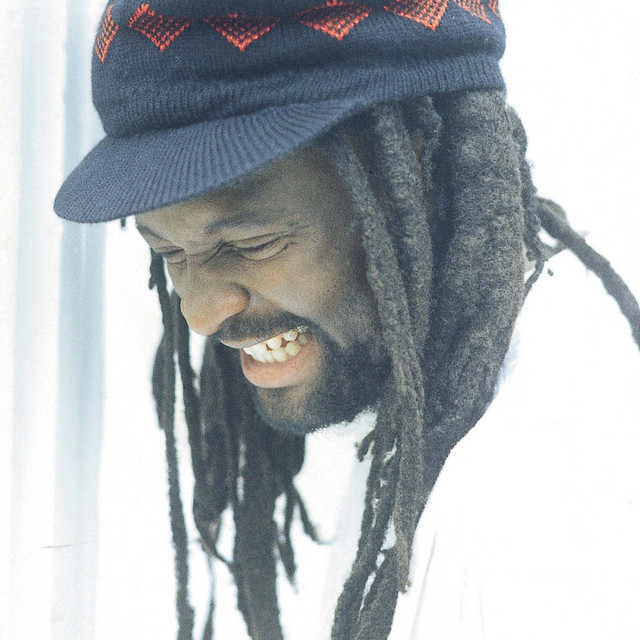
Lucky Dube (born Ermelo Dube; pronounced "doo bay") is one of South Africa's best-selling artists and one of its most outspoken performers. Although he initially sang in the traditional Zulu mbaqanga style, his move to reggae in 1984 was sparked by his quest to express his anger against the oppression of apartheid. While The Village Voice observed, "The spirit of Lucky Dube's music and dance epitomizes the spirit of Black liberation", Niceup Magazine wrote, "(Dube's) lyrics have brought an original voice to reggae by chronicling the political and spiritual struggles of his South African brethren". brethren musical talents were obvious from an early age. By the age of nine, he was conducting his school choir. After singing with school rock & roll bands, he joined his cousin, Richard Siluma's, mbaqanga band, the Love Brothers. Together with the group, he recorded his first single in 1979. Inspired by thcontroversialal lyrics of Peter Tosh, Dube moved to reggae in 1984. His earliest attempts with the newly adopted style were met by strong opposition by the then-all-white South African government, and his first reggae album, Rasta Never Die was banned from radio airplay. Without notifying his record label, Dube re-entered the recording studio and cut a second reggae album, Think About the Children. The album became a major hit and achieved gold record status. Dube's third reggae album, Slave, sold more than five hundred thousand copies. ~ Craig Harris, Rovi
First discovered Apr 16, 2026, 1:29 PM