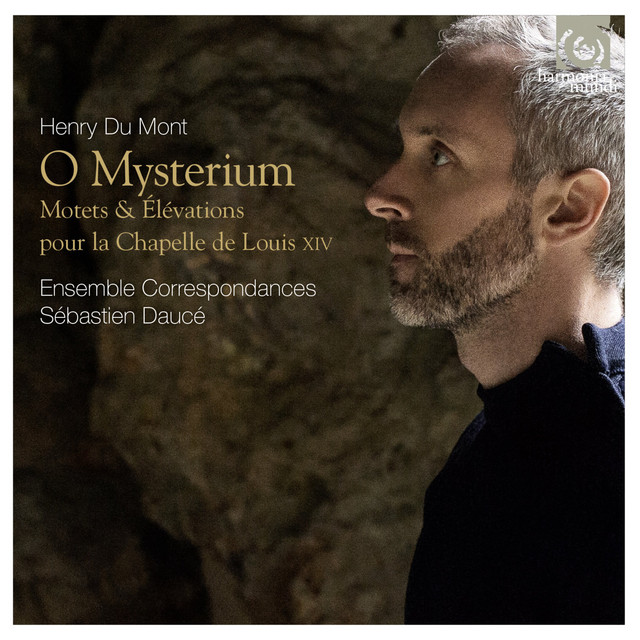
Henri Dumont
Charts
Tracks
Playlists
SEO
Press Mentions
Overview
Not included in any known risky playlists
Monthly Listeners
Discography
Top Audiences
Top Listener Locations
 Paris, FR26
 London, GB21
 São Paulo, BR16
 Warsaw, PL14
 Montreal, CA14
Playlist Summary
Playlist Movement
No activity found
This artist's playlist additions and removals will appear here.
Biography & Metadata
The genre of compositions by this French/Belgian organist and harpsichordist included masses, motets, allemandes, songs, preludes and other organ works. As a late contemporary of LaLande (his latter compositions were written at the same time as Lalande's early compositions), Lully, and Robert comparisons were (and are) plentiful. [The grand motets composed by these three became the royal model for subsequent motets.] In 1660, because of his adeptness and experience, Du Mont became the organist to the Queen, Marie-Therese. It was after this time that the majority of his compositions took form. The stylings employed were as diverse as the types of pieces he wrote. Du Mont's forte displayed itself in shorter pieces where he could develope intimate melodic lines along a continued bass (he took credit for introducing the basso continuo into French music). Commanding orchestral accompaniments for some of his musical scores (particularly grand motets) Du Mont achieved successful developments over and above those of Robert and Lully in sheer independence of parts. Some of his motets even included dialogues between characters portraying god, angels and sinners; this style was truly a predecessor to the development of the oratorio. ~ Keith Johnson, Rovi
First discovered Aug 18, 2026, 1:59 PM