Vera Lynn
Charts
Tracks
Playlists
Press Mentions
Google Rankings
Overview
Included in high risk playlists
Monthly Listeners
Discography
Genres
Spotify has not assigned genres to this artist yet
Top Audiences
Top Listener Locations
 London, GB13,034
 Mexico City, MX9,100
 Los Angeles, US7,264
 Sydney, AU7,139Melbourne, AU6,987
Playlist Summary
Playlist Movement
Event | Playlist | Botted? | Position | Track | Happened at | |
|---|---|---|---|---|---|---|
Biography & Metadata
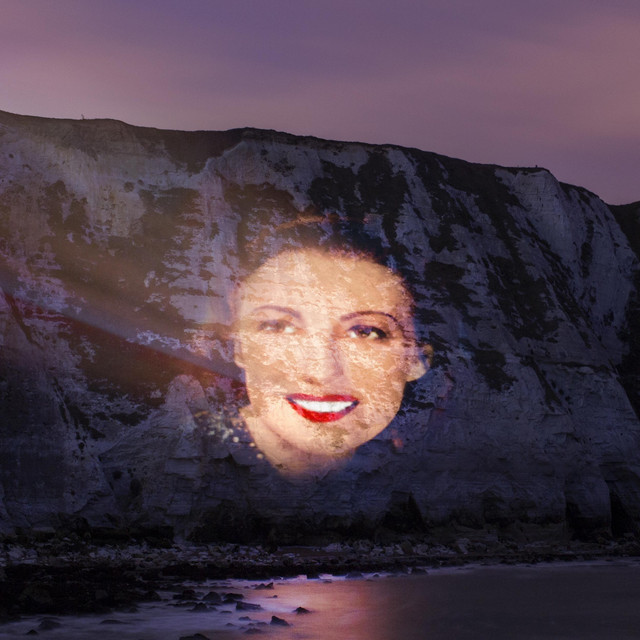
The mere mention of Vera Lynn's name evokes images of London skies filled with a barrage of balloons, and Britons riding out the German Blitz in shelters and underground stations. England's sweetheart during the trying times of World War II, Lynn was still in her twenties when she took on that role. She was born Vera Margaret Welch in London's East Ham, to Bertram and Annie Welch, one year before the close of the First World War. She began singing as a girl of seven, and also studied dance. She later took her maternal grandmother's maiden name as her stage name, and her natural, unaffected vocal style and charm brought Lynn early success on the radio. At age 18, she was singing with Joe Loss' orchestra, and she'd also begun recording for the Crown label. By the end of the '30s, after stints working for Charlie Kunz's and Bert Ambrose's bands, Lynn got her own radio series. This event coincided with the end of what was known as the "Phony War," that period in which men were being conscripted and sent overseas, re-armament rushed, and nightly blackouts imposed, but no shots were fired or bombs dropped. The shooting war started in 1940, and it was around that same time that Lynn became the host of the BBC radio program Sincerely Yours; the show became incredibly popular with overseas servicemen who missed their girlfriends, and her regular songs included such hopeful/heartsick ballads as "White Cliffs of Dover," "We'll Meet Again," "Wishing," and "Yours," which were taken to heart by the British public. Her recordings -- now made for Decca Records, which had absorbed the Crown label some years before -- all sold well, and Lynn also made several films during the war years, appeared in a stage revue, and sang for troops in Asia. Her sentimental brand of pop music was regarded as a huge help to morale, with Lynn herself virtually a national treasure. Within just a few months of the end of the Second World War, Lynn surprised and shocked the public by announcing her retirement. As early as Christmas of 1946 she'd begun a limited return to recording, however, and by the end of 1947 she was working again, touring the variety circuit and taking on another BBC radio program. Decca seized a golden opportunity in 1948 by releasing Vera Lynn material in America during a musicians' strike that had crippled the stateside music industry, and Lynn gained a Top Ten hit that year with "You Can't Be True, Dear." In 1952, she became the first British artist to hit number one on the American charts when "Auf Wiederseh'n Sweetheart" spent nine weeks at the top spot. That same year, Lynn managed an astonishing hat trick back home with the advent of the first singles chart for England -- unveiled in New Musical Express in November of that year -- when her records occupied three of the Top 12 positions. Her first (and only) British number one came two years later, with "My Son My Son," and she gradually moved from radio/variety work to television spots during the '50s in order to round out her schedule, recording increasingly contemporary material during the '60s -- when she left Decca for EMI -- and '70s. Lynn received an OBE from the British crown in 1969, and in 1975 was made a Dame Commander of the British Empire. Though she performed sparingly during the '80s, she did appear at commemorations for the 40th anniversary of D-Day and the 50th anniversary of the beginning of World War II, and continued to do charity work. In 2005, she also spoke on behalf of veterans of World War II on the occasion of the 60th anniversary of VE Day. And as it turned out, even in the 21st century, 70 years after she'd cut her first records, Lynn's career as a top-selling recording artist was not yet over. In September of 2009, the 92-year-old Lynn became the oldest singer ever to top the British album charts, when a new Decca collection of her World War II recordings, We'll Meet Again: The Very Best of Vera Lynn, hit the number one spot, a doubly extraordinary achievement in light of the reissue of the entire Beatles catalog that same month. It was an occasion noted by news services around the world, and spoke volumes about the love that the British hold for the singer and her music. She broke records once again six years later when she turned 100 years old in 2017 and released the 100 album in celebration of her becoming a centenarian. The record featured re-orchestrations of some of her classic songs alongside collaborations with other artists in the vocal genre, such as Aled Jones, Alfie Boe, and Alexander Armstrong. It would prove to be the last triumph in a long and remarkable career; Vera Lynn died at her home in Sussex, England, on June 18, 2020, at the age of 103. ~ John Bush & Bruce Eder, Rovi
First discovered Aug 21, 2026, 9:24 PM