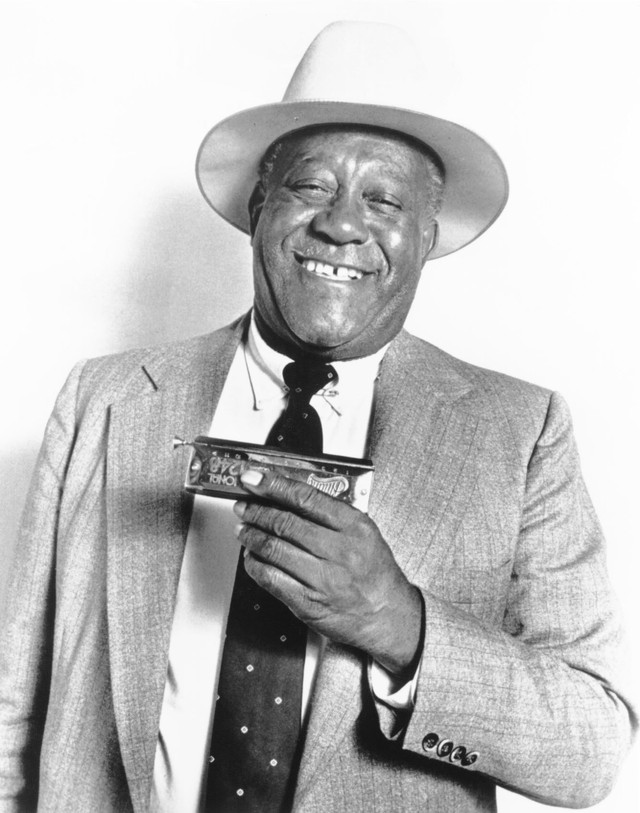
Snooky Pryor
Charts
Tracks
Playlists
Press Mentions
Google Rankings
Overview
Not included in any known risky playlists
Monthly Listeners
Series
- Monthly Listeners
- Listeners from Playlists
- Change
Discography
Genres
Spotify has not assigned genres to this artist yet
Top Audiences
Top Listener Locations
 São Paulo, BR840
 Sydney, AU516Melbourne, AU497
 Madrid, ES362Brisbane, AU343
Playlist Summary
Playlist Movement
Event | Playlist | Botted? | Position | Track | Happened at | |
|---|---|---|---|---|---|---|
Biography & Metadata
Only recently has Snooky Pryor finally begun to receive full credit for the mammoth role he played in shaping the amplified Chicago blues harp sound during the postwar era. He's long claimed he was the first harpist to run his sound through a public address system around the Windy City -- and since nobody's around to refute the claim at this point, we'll have to accept it! James Edward Pryor was playing harmonica at the age of eight in Mississippi. The two Sonny Boys were influential to Pryor's emerging style, as he played around the Delta. He hit Chicago for the first time in 1940, later serving in the Army at nearby Fort Sheridan. Playing his harp through powerful Army PA systems gave Pryor the idea to acquire his own portable rig once he left the service. Armed with a primitive amp, he dazzled the folks on Maxwell Street in late 1945 with his massively amplified harp. Pryor made some groundbreaking 78s during the immediate postwar Chicago blues era. Teaming with guitarist Moody Jones, he waxed "Telephone Blues" and "Boogie" for Planet Records in 1948, encoring the next year with "Boogy Fool"/"Raisin' Sand" for JOB with Jones on bass and guitarist Baby Face Leroy Foster in support. Pryor made more classic sides for JOB (1952-1953), Parrot (1953), and Vee-Jay ("Someone to Love Me"/"Judgment Day") in 1956, but commercial success never materialized. He wound down his blues-playing in the early '60s, finally chucking it all and moving to downstate Ullin, IL, in 1967. For a long while, Pryor's whereabouts were unknown. But the 1987 Blind Pig album Snooky, produced by guitarist Steve Freund, announced to the world that the veteran harpist was alive and well, his chops still honed. A pair of solid discs for Antone's, Too Cool to Move and In This Mess Up to My Chest, followed. Pryor stayed busy until his death in 2006. ~ Bill Dahl, Rovi
First discovered Nov 7, 2026, 10:11 PM