Kino
Charts
Tracks
Playlists
SEO
Press Mentions
Overview
Included in high risk playlists
Monthly Listeners
Discography
Top Audiences
Top Listener Locations
 Frankfurt am Main, DE48,991
 Kyiv, UA45,396
 Minsk, BY35,425
 Warsaw, PL34,740
 Riga, LV26,413
Playlist Summary
Playlist Movement
No activity found
This artist's playlist additions and removals will appear here.
Biography & Metadata
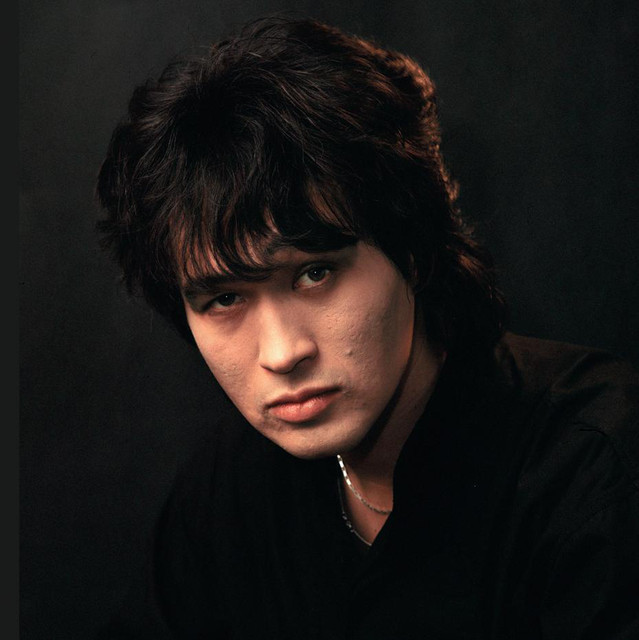
One of Russia's most popular rock bands, Kino came to prominence during the Gorbachev era of glasnost and perestroika, and struck a nerve with many Soviet youths longing for a brighter, freer future. The group's legend was tragically cemented when frontman Victor Tsoi (sometimes Tsoy) was killed in a car crash in 1990, sparking a massive outpouring of grief rivaling that of icons like Kurt Cobain or John Lennon. Tsoi had formed the first version of Kino in his hometown of St. Petersburg (then Leningrad) in 1981, along with Alexei Ribin and Oleg Valinsky; the group played the same venues as Boris Grebenshikov's Aquarium. This lineup debuted with 1982's 45, after which they moved to Moscow and splintered; Ribin left in 1983, leaving Tsoi to complete their second album, 46. In 1984, Tsoi formed a new version of Kino with guitarist Yuri Kasparyan, bassist Alexander Titov, and drummer Georgi Guriyanov; they debuted on that year's Nachal'nik Kamchatki (The Manager of Kamchatka). A performance at St. Petersburg's second annual rock festival heralded their return, and their next two albums, 1985's Eto Nye Lyubov (This Is Not Love) and 1986's Noch (The Night), saw their reputation steadily growing; their sound was commensurate with American alternative rock, particularly R.E.M. and the icier side of the Cure. Tsoi began to pursue an acting career on the side in 1986, and bassist Igor Tikhoromirov eventually replaced Titov. In 1988, the band released its most polished album, Gruppa Krovi (Blood Type), which started to increase their international audience (as did more frequent concerts outside the Soviet Union); it even got a favorable write-up in the Village Voice in America. 1989 brought Zvezda Po Imene Solntse (A Star Called Sun), a tour of the U.S., and the group's biggest hit, "(We're Waiting For) Changes," which became an anthem for Russian youth after its appearance in the film Assa. Unfortunately, Tsoi died in an auto accident in Riga, Latvia, on August 15, 1990. The band's unfinished album was released afterwards as Cherniy Albom (Black Album). A wall of memorials dedicated to Tsoi still exists on Moscow's Arbat Street, and Kino's music is still highly regarded by teens all over the former Soviet Union. ~ Steve Huey, Rovi
First discovered Jan 10, 2025, 10:40 PM