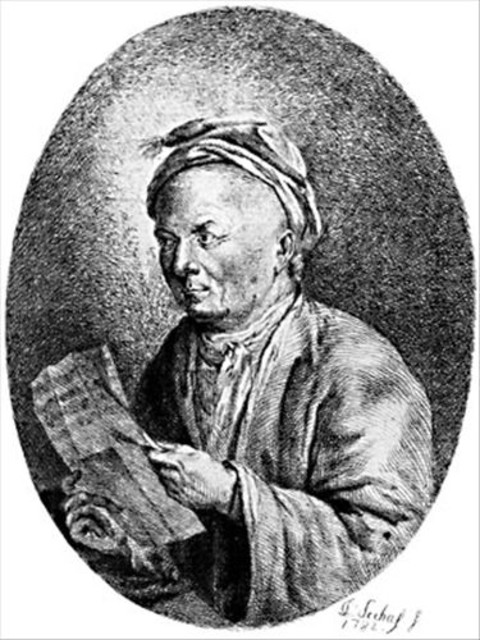
Gottfried August Homilius
Charts
Tracks
Playlists
Press Mentions
Google Rankings
Overview
Not included in any known risky playlists
Monthly Listeners
1,342 – 1,418
Discography
Genres
Spotify has not assigned genres to this artist yet
Top Audiences
Top Listener Locations
 Munich, DE71Berlin, DE49Frankfurt am Main, DE47Stuttgart, DE39Hamburg, DE35
Playlist Summary
Playlist Movement
Event | Playlist | Botted? | Position | Track | Happened at | |
|---|---|---|---|---|---|---|
Biography & Metadata
Homilius was an important German composer of the mid to late eighteenth century. He studied the organ and composition with Stubner, Bach and Hiller and attended the University of Leipzig as a student of law. Positions maintained by Homilius during the course of his life included assistant organist at St Anne's in Dresden, organist for Dresden's Frauenkirche, Kreuzkirche, and Sophienkirche. His first extant composition was the cantata "Gott der Herr ist Sonn und Schild" and his corpus of compositions included many cantatas, motets, Magnificant settings and works for the organ. Historical judgment of his work can only be ascertained through an understanding that his music remained a part of the choral repertorie of the Kreuzkirche. The emphases of his works focused on melodic line in combination with folk elements and expressive emotions. Homilius included aspects of dynamic contrasts and simple harmonies. He was the main representative of the empfindsamer style and a notable figure in the transition from Baroque to classical style with a loss of counterpoint and a gain of noble simplicity.
First discovered Sep 12, 2026, 12:25 AM