Fugees
Fugees
artist

Fugees

Playlist Risks
Listeners
11,073,846/mo
Total Streams
4,427,878,100
Followers
1,927,844
Est. Royalties
$26,831 - $107,322/mo

Charts

Tracks

Playlists

SEO

Press Mentions

Overview

Monthly Listeners

Discography

Their catalog as it appears on their public Spotify artist profile
4
Albums
0
EPs
2
Singles
4,427,878,100
Total Streams

Top Audiences

Top listener locations as determined by Spotify

Top Listener Locations

BRSão Paulo, BR233,361
GBLondon, GB174,388
CLSantiago, CL170,635
AUSydney, AU112,527
COBogotá, CO104,056

Playlist Summary

Overview of this artist's relationship with playlists
275,105
Playlist adds
9
High-risk playlist adds
79,375,258
Playlist follower reach (sum)
1,675,310+
Listeners from playlists
Estimated
15.1%
Of listeners from playlists
Estimated

Playlist Movement

Recent playlist add/remove events for this artist

No activity found

This artist's playlist additions and removals will appear here.

Biography & Metadata

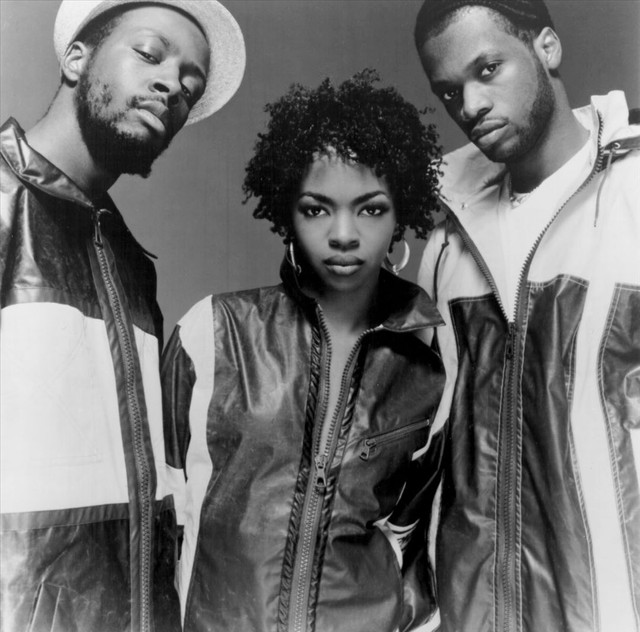
The Fugees translated a seamless blend of jazz-rap, R&B, and reggae into huge success during the mid-'90s, when the New Jersey-area trio's seminal sophomore album The Score hit number one on the pop charts and sold over five million copies before winning a pair of Grammy Awards in 1997. Featuring the songs "Killing Me Softly" and "Ready or Not," the effort became a '90s classic, while each member went on to pursue solo careers that extended into the 2000s. The trio formed in the late '80s in South Orange, New Jersey, where high school friends Lauryn Hill and Prakazrel Michel ("Pras") began working together. Michel's cousin Wyclef Jean joined the group, dubbed the Tranzlator Crew, and they signed to Ruffhouse/Columbia in 1993. After renaming themselves the Fugees (a term of derision, short for refugees, which was usually used to describe Haitian immigrants), they entered the studio to record their first official full-length, Blunted on Reality. Issued in early 1994, the album showcased a beat-driven, hip-hop crew vibe, with Hill, Jean, and Michel trading verses in a fashion similar to A Tribe Called Quest, Poor Righteous Teachers, and Digable Planets. While an underground favorite, the album didn't make much of a dent on the charts and they veered in a different, but ultimately more successful, direction on their follow-up. The Score arrived in 1996 and was an instant hit. Retaining some of their earlier jazz-rap spirit, while incorporating traditional R&B that showcased Hill's singing abilities, the album topped charts across the globe and was certified multi-platinum around Europe and in the U.S. Featuring the soulful, chart-topping single "Killing Me Softly" and a top 40 cover of Bob Marley's "No Woman No Cry," The Score made significant dents in the commercial mainstream while retaining their existing fan base, becoming one of the surprise hits of 1996. At the 1997 Grammy Awards, the Fugees won Best Rap Album and Best R&B Vocal Performance by a Duo or Group for "Killing Me Softly." Following the success of The Score, the Fugees took a break, pursuing solo endeavors that eventually made the hiatus permanent. Jean issued his first solo album, 1997's The Carnival Featuring the Refugee Allstars, while Michel joined Mya and Ol' Dirty Bastard for the hit single "Ghetto Superstar (That Is What You Are)." In 1998, Hill released her chart-topping, neo-soul opus The Miseducation of Lauryn Hill, which went on to outsell The Score and win five Grammy Awards in 1999. While Hill bowed out while on top of her game, Pras continued rapping and also pursued acting and film production. Meanwhile, Jean continued to release solo material -- issuing over a dozen albums -- and produced for artists, working with the likes of Destiny's Child, Santana, Shakira, Young Thug, and many more. Almost a decade after peaking with The Score, they reconvened in 2005, performing together on a European tour and releasing the single "Take It Easy." However, the reunion was brief, and the trio disbanded once again. While their overall time together was short, The Score endures as one of the most critically acclaimed albums of all time and each Fugee remained active -- both musically and politically -- for decades to come. ~ Neil Z. Yeung & John Bush, Rovi

Updated Sep 2, 2026, 6:44 PM
First discovered Feb 1, 2024, 12:35 AM