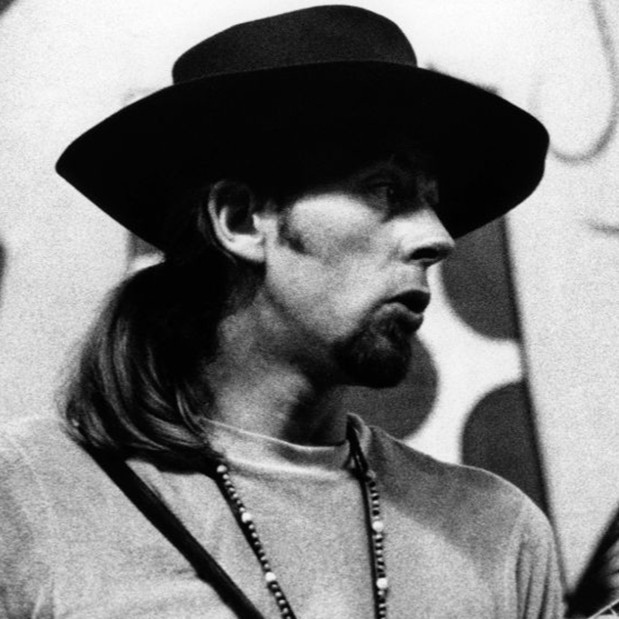
John Mayall & The Bluesbreakers
Charts
Tracks
Playlists
Press Mentions
Google Rankings
Overview
Not included in any known risky playlists
Monthly Listeners
Series
- Monthly Listeners
- Listeners from Playlists
- Change
Discography
Genres
Spotify has not assigned genres to this artist yet
Top Audiences
Top Listener Locations
 London, GB3,628
 Sydney, AU3,246Melbourne, AU2,916
 São Paulo, BR2,842
 Santiago, CL2,636
Playlist Summary
Playlist Movement
Event | Playlist | Botted? | Position | Track | Happened at | |
|---|---|---|---|---|---|---|
Biography & Metadata
Throughout the '60s, John Mayall & the Bluesbreakers acted as a finishing school for the leading British blues-rock musicians of the era. Guitarists Eric Clapton, Peter Green, and Mick Taylor joined Mayall's band in a remarkable succession in the mid-'60s, honing their chops with Mayall before going on to join Cream, Fleetwood Mac, and the Rolling Stones, respectively. John McVie and Mick Fleetwood, Jack Bruce, Aynsley Dunbar, Dick Heckstall-Smith, Andy Fraser (of Free), John Almond, and Jon Mark also played and recorded with the band for varying lengths of times in the '60s. Mayall's personnel tended to overshadow his own considerable abilities. Only an adequate singer, the multi-instrumentalist was adept in bringing out the best in his younger charges (Mayall himself was in his thirties by the time the Bluesbreakers began to make a name for themselves). Doing his best to provide a context in which they could play Chicago-style electric blues, Mayall was never complacent, writing most of his own material, revamping his lineup with unnerving regularity, and constantly experimenting within his basic blues format. ~ Richie Unterberger, Rovi
First discovered Oct 21, 2026, 9:11 PM