Chuck Mangione
Charts
Tracks
Playlists
Press Mentions
Google Rankings
Overview
Included in high risk playlists
Monthly Listeners
Discography
Genres
Spotify has not assigned genres to this artist yet
Top Audiences
Top Listener Locations
 Mexico City, MX17,489
 Los Angeles, US4,827Chicago, US4,401Guadalajara, MX4,157Puebla City, MX3,977
Playlist Summary
Playlist Movement
Event | Playlist | Botted? | Position | Track | Happened at | |
|---|---|---|---|---|---|---|
Biography & Metadata
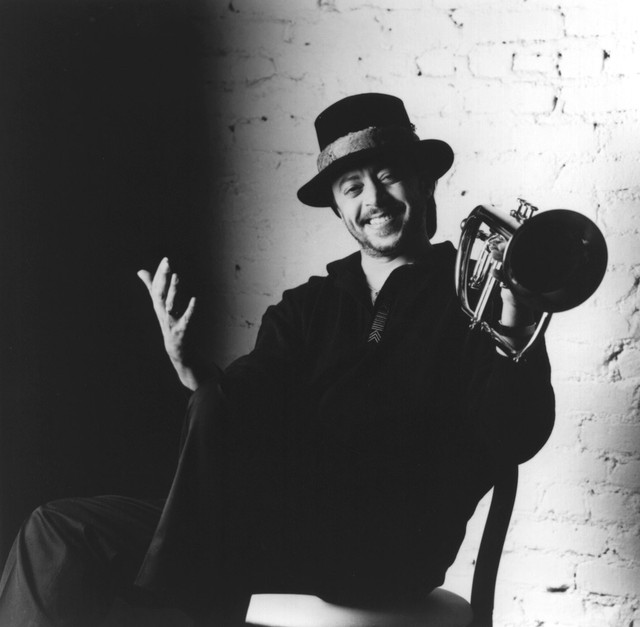
Recognized for his lyrical flugelhorn playing, trumpeter Chuck Mangione became an icon, enjoying mainstream pop success with his relaxed crossover jazz, a style made famous by his optimistic 1977 anthem "Feels So Good." While he achieved widespread acclaim with his '70s fusion albums, Mangione was steeped in the hard bop traditions, first emerging in the '60s as a teen jazz prodigy alongside his brother and later as a member of Art Blakey's Jazz Messengers. Yet, it was his 1977 album Feels So Good and its soft, adult contemporary-friendly title track that brought him renown, winning a Grammy award and peaking at number two on the Billboard 200. More acclaim came his way the following year with Children of Sanchez, whose Latin-tinged title track also proved a hit, taking home the Grammy for Best Pop Instrumental Performance. The album also featured "Consuelo's Love Theme," which won the Grammy for Best Instrumental Composition. Into the '80s, Mangione remained a star, releasing a string of albums that showcased his distinctively lyrical flugelhorn playing and upbeat blend of jazz, Latin, pop, soul, and classical sounds. Following periods away from the spotlight, Mangione returned with 1994's The Hat's Back and found his pop icon status further cemented by his recurring guest appearances on the animated series King of the Hill. He stayed active touring globally and nationally. Born in 1940 in Rochester, New York, Chuck Franklin Mangione grew up in a family who were passionate about music. His father, who owned a grocery store, started Chuck and his older brother Gap on piano lessons at a young age, as well as introducing them to jazz and classical music. While Gap stuck with piano, Chuck switched to trumpet at age 10. Along with private lessons, the Mangione siblings were exposed to a bevy of concerts while growing up and the family regularly hosted touring performers at their home, including luminaries like Art Blakey, Jimmy Cobb, Cannonball Adderley, Ron Carter, and close friend Dizzy Gillespie; the latter of whom gave Chuck one of his trademark upwards bent bell trumpets. Throughout his teens, Mangione studied music through the Preparatory Department of the Eastman School of Music. At the same time, he and Gap co-led their bop quintet the Jazz Brothers, working at various times with Sal Nistico, Roy McCurdy, Jimmy Garrison, Steve Davis, and Ron Carter. They recorded a handful of albums for Riverside Records in the early '60s, including The Jazz Brothers, Hey Baby!, and Spring Fever; all of which displayed their keen grasp of the hard bop acoustic jazz tradition. As a leader, Mangione made his solo debut with 1962's Recuerdo, leading an all-star group featuring pianist Wynton Kelly, bassist Sam Jones, and drummer Louis Hayes, along with tenor saxophonist Joe Romano. He also played with the big bands of Woody Herman and Maynard Ferguson (both in 1965) and was a member of Art Blakey's Jazz Messengers, appearing on 1966's Buttercorn Lady with Keith Jarrett. In 1968, Mangione returned to Rochester where he led his own ensemble and wrote for a time for several rock groups. He also taught, working at the Hochstein School of Music and then joining the faculty at Eastman. It was during this period that he dug deeper into his composing and scoring work for orchestra. He formed a quartet with saxophonist Gerry Niewood and staged live performances to feature his orchestral arrangements. Together, they cut several albums for Mercury, including Friends & Love...A Chuck Mangione Concert (which hit number 14 on the Billboard 200 and Jazz Albums charts) and Together; both double albums recorded live at the Eastman Theatre in Rochester, New York, in 1970 with the Rochester Philharmonic Orchestra. Several studio albums followed, including 1972's Alive with bassist Tony Levin and drummer Steve Gadd. A third concert album, Land of Make Believe, arrived the following year with Ontario, Canada's Hamilton Philharmonic. Along with brother Gap, it featured contributions by drummers Gadd and Joe LaBarbera, bassist Al Johnson, and vocalist Esther Satterfield. Signing to A&M Records, Mangione released 1975's Chasing the Clouds Away, which hit 21 on the Billboard 200 and whose title song was featured during the 1976 Olympic Games TV broadcasts. Following a string of Grammy nominations, he finally won his first for 1975's Bellavia, which took home the award for Best Instrumental Composition. It also proved his highest-charting album to date, cracking the Top Ten of both the Billboard 200 and Jazz Albums charts. He again reached the Top Ten with 1976's Main Squeeze. However, it was 1977's Feels So Good that solidified his place as both a commercial entity and a crossover jazz icon. Released as a single in 1978, the title track (featuring crisp, soulful accompaniment from guitarist Grant Geissman) was an immediate radio hit, peaking at number four on the Hot 100 and helping to push the album to number two on the Billboard 200. The song also picked up a Grammy nomination for Record of the Year and began its ascension into pop culture renown, being used in a Memorex tape commercial that featured Mangione and singer Ella Fitzgerald. More acclaim came his way the following year with Children of Sanchez, whose Latin-tinged title track also proved a hit, taking home the Grammy for Best Pop Instrumental Performance. The album also featured "Consuelo's Love Theme," which won the Grammy for Best Instrumental Composition. Along with his 1989 concert album An Evening of Magic, Live at the Hollywood Bowl, Mangione delivered the studio set Fun and Games. Included on the album was the song "Give It All You Got," which gained an extended life after ABC Sports adopted it as the 1980 Winter Olympics theme song, along with the alternate version, "Give It All You Got, But Slowly." He then finished out his A&M contract with 1981's live album Tarantella (featuring guests Dizzy Gillespie and Chick Corea) and 1982's 70 Miles Young, the latter featuring a four-movement suite dedicated to his father. By 1982, Mangione had signed a new recording contract with Columbia Records, heralding the era with Love Notes. That album, as with 1983's Journey to a Rainbow, 1984's Disguise, and 1986's Save Tonight for Me, found him further embracing a contemporary crossover jazz and pop sound. Each of these albums reached the Top 30 of the Jazz Albums chart and cracked the Billboard 200. He rounded out his Columbia era with 1988's Eyes of the Veiled Temptress, which featured a guest appearance by Philly soul legend Thom Bell and reached number 22 on the Contemporary Jazz Albums chart. Into the early '90s, Mangione kept a relatively low profile. It was not until his unexpected turn playing a fictionalized version of himself on the animated King of the Hill series that he returned to the spotlight; a role that afforded him a chance to poke some ironic fun at his public persona. Following 1994's The Hat's Back, he launched a comeback tour, showcasing a reunion with his "Feels So Good" band. The Feeling's Back appeared in 1999, followed by Everything for Love in 2000, both of which found him embracing a more intimate, acoustic version of his classic sound. Mangione toured in his later years but largely stepped away from the spotlight in the 2010s. He died at his home in Rochester, New York, on July 22, 2025, at the age of 85. ~ Matt Collar, Rovi
First discovered Aug 3, 2026, 12:19 AM