The Dave Clark Five
Charts
Tracks
Playlists
Press Mentions
Google Rankings
Overview
Not included in any known risky playlists
Monthly Listeners
Discography
Genres
Spotify has not assigned genres to this artist yet
Top Audiences
Top Listener Locations
 Mexico City, MX11,714
 London, GB5,626
 Sydney, AU4,411Melbourne, AU4,152Brisbane, AU3,172
Playlist Summary
Playlist Movement
Event | Playlist | Botted? | Position | Track | Happened at | |
|---|---|---|---|---|---|---|
Biography & Metadata
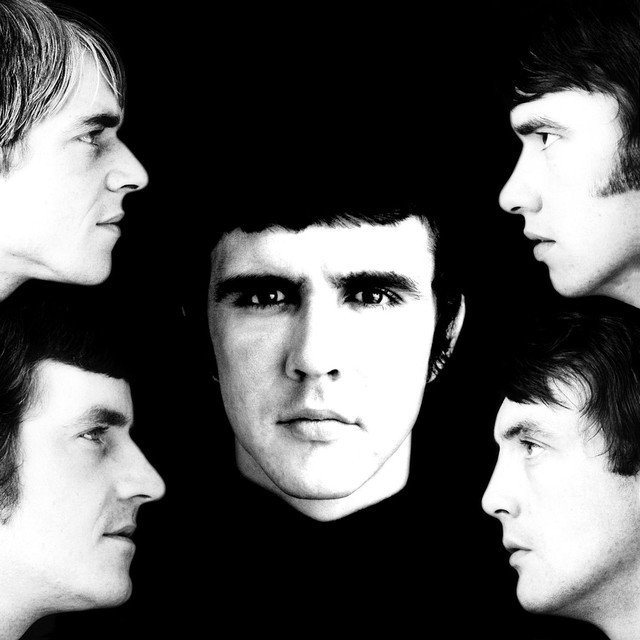
For a time in 1964, it seemed that the biggest challenger to the Beatles' phenomenon was the Dave Clark Five. From the Tottenham area of London, the quintet had the fortune to knock "I Want to Hold Your Hand" off the top of the British charts with "Glad All Over," and were championed by the British press as the Beatles' most serious threat. They were the first British Invasion band to break in a big way in the States after the Beatles. The Dave Clark Five reached the Top 40 17 times between 1964 and 1967 with memorable hits like "Glad All Over," "Bits and Pieces," "Because," and a remake of Bobby Day's "Over and Over," as well as making more appearances on The Ed Sullivan Show than any other English act. The DC5 were distinguished from their British contemporaries by their larger-than-life production, Clark's loud stomping drum sound, and Mike Smith's leathery vocals. They had a solid ear for melodies and harmonies and wrote much of their early material, the best of which endured well. Interestingly, and unusually for that era, bandleader Dave Clark managed and produced the band himself, negotiating a much higher royalty rate than artists of that period usually received. After a couple years of superstardom, the group called it quits in 1970.
First discovered Sep 11, 2026, 2:21 AM