Bill Keith
Charts
Tracks
Playlists
SEO
Press Mentions
Overview
Not included in any known risky playlists
Monthly Listeners
Discography
Genres
Spotify has not assigned genres to this artist yet
Top Audiences
Top Listener Locations
 Charlotte, US99Chicago, US98Portland, US83New York City, US76Denver, US71
Playlist Summary
Playlist Movement
No activity found
This artist's playlist additions and removals will appear here.
Biography & Metadata
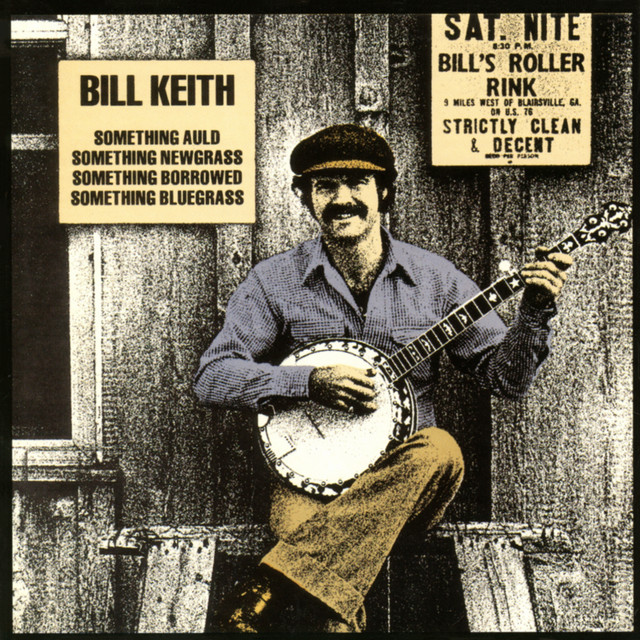
Bill Keith had great impact on modern banjo playing, particularly in the direction of "newgrass." He even had a picking style informally named after him. Born in Boston, Massachusetts, Keith began taking banjo lessons at a young age, and also learned to play piano and ukulele. During adolescence, he played in a few Dixieland bands, but by the late '50s became interested in folk music after listening to such inspirational artists as Pete Seeger and Earl Scruggs. Using instruction books, the Amherst college student began learning their two different styles. Eventually, Keith began developing his own unique style, which became known as the melodic, chromatic or "Keith" picking style. This distinct technique was born of his desire to play fiddle melodies on his instruments. In 1958, he teamed up with fellow Amherst student Jim Rooney and began playing at local coffeehouses and on campus. Eventually they hooked up with promoter Manny Greenhill; with his assistance they founded the Connecticut Folklore Society, which sponsored a series of traveling campus concerts throughout New England. Following graduation and a brief stint in the U.S. Air Force Reserve, Keith began learning to make banjos with Tom Morgan. Later he, Rooney, mandolin player Frank Wakefield, and guitarist Red Allen formed the Kentuckians. In 1963, Earl Scruggs contacted Keith to lay out the tablature for the instructional book Earl Scruggs and the 5-String Banjo. Later that year, Keith and his former Amherst classmate Dan Bump developed a new kind of tuning peg that was adopted by Scruggs, who provided a name for the resulting company in 1964. In the mid-'60s, Keith joined Bill Monroe's Blue Grass Boys, where he was listed as Brad Keith. He left the band after only eight months to do more session work and by the year's end had joined Jim Kweskin's Jug Band, where he would stay for four years. After that he played with the Blue Velvet Band. He abandoned the banjo for a while in 1968 to become a pedal steel guitarist. In 1970, Keith moved to Woodstock, New York, and spent a year with Jonathan Edwards. He then went on to work with Judy Collins. He and longtime cohort Rooney also toured together in both the U.S. and in Europe during the '70s and '80s, with Keith developing a particularly large following in France. When back home in Woodstock, Keith began playing banjo for the Woodstock Mountain Review. In 1977, he worked briefly as a columnist for Frets magazine. Later, in 1989, Keith, Rooney, Eric Weissberg, and Kenny Koseck re-formed their old group, calling it the New Blue Velvet Band. Keith remained intermittently active in performing and recording into the new millennium, with guest appearances on albums including Beausoleil's Alligator Purse released in 2009, and he also issued instructional booklets with accompanying CD/DVDs. Bill Keith died of cancer at his home in Woodstock in October 2015. ~ Sandra Brennan, Rovi
First discovered Sep 7, 2026, 10:17 PM