Red Callender
Charts
Tracks
Playlists
Press Mentions
Google Rankings
Overview
Not included in any known risky playlists
Monthly Listeners
Discography
Top Audiences
Top Listener Locations
 New York City, US343Los Angeles, US234Brooklyn, US194
 Toronto, CA179Chicago, US161
Playlist Summary
Playlist Movement
Event | Playlist | Botted? | Position | Track | Happened at | |
|---|---|---|---|---|---|---|
Biography & Metadata
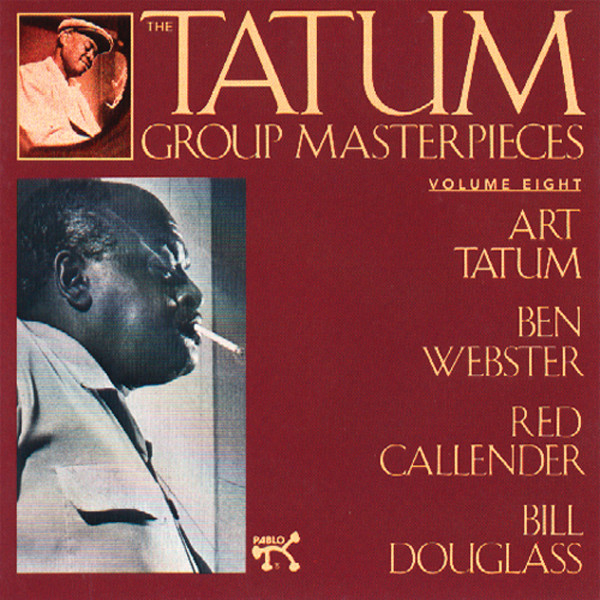
A busy studio musician who appeared on a countless number of recordings during his productive (and generally lucrative) career, Red Callender is the only player to turn down offers to join both Duke Ellington's Orchestra and the Louis Armstrong All-Stars. After briefly freelancing in New York, Callender settled in Los Angeles in 1936, debuting on record the next year with Louis Armstrong. In the early '40s, he was in the Lester and Lee Young band, and then formed his own trio. Callender, in the 1940s, recorded with Nat King Cole, Erroll Garner, Charlie Parker, Wardell Gray, and Dexter Gordon, among many others, and can be seen and heard taking a bebop break on bass in the 1946 film New Orleans (which was supposed to depict the city's music scene of 1915). After a period spent leading a trio in Hawaii, Callender returned to Los Angeles, becoming one of the first Black musicians to work regularly in the commercial studios. On his 1954 Crown LP Speaks Low, Callender was one of the earliest modern jazz tuba soloists, and he would occasionally double on that instrument in future years. His composition "Primrose Lane" became a Top Ten hit in 1959 when recorded by Billy Wallace. Keeping busy up until his death, some of the highlights of the bassist's later career include recording with Art Tatum (1955-1956), playing with Charles Mingus at the 1964 Monterey Jazz Festival, working with James Newton's avant-garde woodwind quintet (on tuba), and performing as a regular member of the Cheatham's Sweet Baby Blues Band. Callender's mid-'80s autobiography Unfinished Dream is quite informative and colorful. ~ Scott Yanow, Rovi
First discovered Oct 8, 2026, 1:42 AM