Marcel Pérès
Charts
Tracks
Playlists
Press Mentions
Google Rankings
Overview
Not included in any known risky playlists
Monthly Listeners
Discography
Genres
Spotify has not assigned genres to this artist yet
Top Audiences
Top Listener Locations
 São Paulo, BR1,280Itabuna, BR1,005
 Paris, FR788
 London, GB746
 Mexico City, MX661
Playlist Summary
Playlist Movement
Event | Playlist | Botted? | Position | Track | Happened at | |
|---|---|---|---|---|---|---|
Biography & Metadata
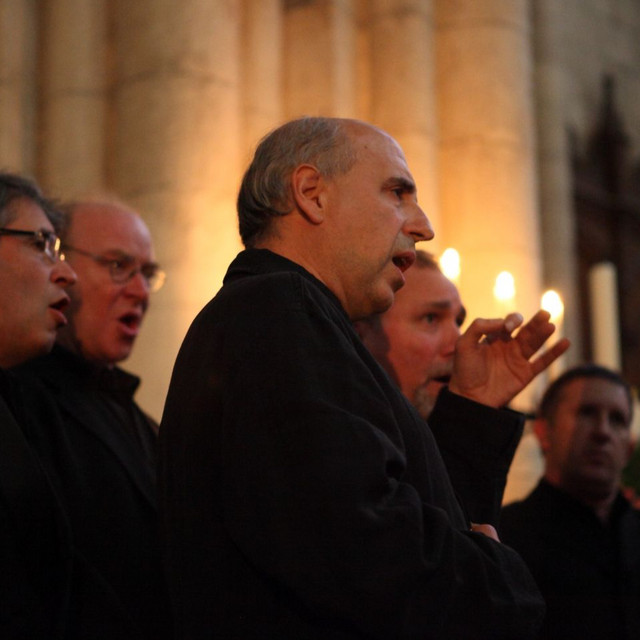
Much of the so-called early music revival was carried out in a uniform, polished, and reserved vocal style. English vocal ensembles such as the Tallis Scholars, the Hilliard Ensemble, and Gothic Voices replaced earlier excesses of vivid instrumental sonorities, with a placid, crystal-clear, and impeccably tuned sound; the singing of plainchant, likewise, most often was heard in the reserved regularity of the Solemnes monastic sound. Yet alongside this elegant and polished sound, a minority of French singers and conductors maintained an alternative acoustical ideal: vibrant and expressive, experimental and exciting. Marcel Pérès, perhaps the greatest iconoclast among the early music performers of his generation, challenges his audience to rethink how we hear musical repertories from the tenth to the eighteenth centuries. Pérès studied organ at the Conservatory of Nice, followed by advanced work at London's Royal School of Church Music and the Studio of Ancient Music in Montreal. Upon his return to Europe in 1979, Pérès devoted his major efforts to the study and performance of various medieval repertories, seeking in each to meld musicological, theoretical, and performative perspectives to vivify the music of a particular place and time. In 1982, he founded the Ensemble Organum for these interpretive researches. Ensemble Organum moved from the Abbey of Sénanque to a permanent home at the Foundation Royaumont; Pérès serves as director of the Association pour la Recherche et l'Interprétation des Musiques Médiévales. Every year, Pérès and his singers (many of them Corsicans, trained in various living traditions of improvisation) approach a single medieval repertory. They research the earliest manuscript and theoretical sources, but submit the historical evidence to an experimental approach in performance. They seek to involve innovative vocal timbres, improvisatory and ornamentation practices, and highly localized acoustical theories to each new project. The results never fail to surprise, from a series of careful studies of the many different local traditions and performing styles of medieval religious chant (Mozarabic, Beneventan, Cictercian, Byzantine, Syriac, etc.), to re-creations of Lauda-based mystery plays, to daring reinterpretations of both the early polyphony of the Notre Dame school and Machaut, but also the better-known Palestrina, Josquin, and Ockeghem; their projects even include an archeological recovery of 18th century Parisian chant and organ improvisation. Each recording produces a vital sonic picture of historical music not relegated to a museum pedestal, but rather presented as a "new event...emerging from the uninterrupted flux of a tradition whose authenticity is a source of creativity."
First discovered Aug 23, 2026, 2:12 PM