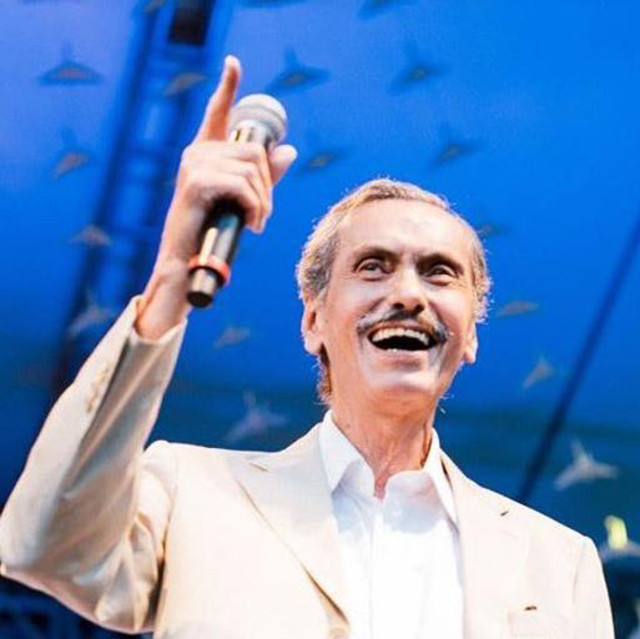
Arthur Verocai
Charts
Tracks
Playlists
SEO
Press Mentions
Overview
Included in high risk playlists
Monthly Listeners
Discography
Top Audiences
Top Listener Locations
 São Paulo, BR82,999Rio de Janeiro, BR36,452Belo Horizonte, BR20,166Brasília, BR17,472Salvador, BR14,057
Playlist Summary
Playlist Movement
No activity found
This artist's playlist additions and removals will appear here.
Biography & Metadata
Brazilian folk-jazz composer and arranger Arthur Verocai was born in Rio de Janeiro on June 17, 1945. The product of a classical music education, he first earned widespread attention in 1966, when Leny Andrade recorded his song "Olhando o Mar" for her LP We Are There. Embracing the contemporary pop, soul, and jazz sounds emerging from both sides of the equator, Verocai gradually honed a sweeping orchestral psych-funk sensibility not far removed from American producers like David Axelrod and Charles Stepney. Despite collaborations with artists including Paulinho Tapajós, Elis Regina, and Creuza Maria, he nevertheless was forced to maintain a civil engineering position until 1969, when he scored the theatrical production Is the Greater and arranged sessions for Gal Costa, Marcos Valle, Quarteto em Cy, and others. After producing a pair of LPs for singer Célia as well as Ivan Lins' 1971 effort Agora -- as well as scoring a series of Brazilian television series -- Verocai contracted with the Continental label to record a self-titled solo LP, a stunningly innovative effort that effectively bridges the divide between the Tropicalia of the late '60s and the deep-groove funk of the decade to follow. Released in 1972, a period marked by the Brazilian military government's opposition to creative expression, the album fared poorly and Verocai turned to advertising, writing and producing music for clients from all walks of industry. In 1983, he opened his own recording facility, Studio V, and in 2002 self-released Saudade Demais, his first solo record in three decades. ~ Jason Ankeny, Rovi
First discovered Aug 20, 2024, 5:15 PM